
Ear cartilage tattoos, or tatuajes en la patilla mujer as they’re sometimes called, are getting more popular. You might be curious about them but have no idea where to start. That’s totally normal.
I get it.
I’m here to break it all down for you. From picking the perfect design to taking care of it after, this guide will cover everything. No fluff, just the real deal.
Trust me, I’ve been there and done that.
So, if you’re thinking about getting one, stick around. I’ll make sure you know exactly what to expect.
What Are Cartilage Tattoos?
Cartilage tattoos are exactly what they sound like—tattoos done on the cartilage of your ear. They’re usually placed in areas like the helix, tragus, and conch.
tatuajes en la patilla mujer is a term you might hear, especially if you’re into this trend.
Why are they so popular? Well, for one, they’re a unique way to express yourself. Plus, they can be subtle or bold, depending on your style.
Here are a few types:
- Helix: This is the outer rim of your ear. It’s a common spot for a small, delicate design.
- Tragus: The little nub at the front of your ear canal. It’s a great spot for a tiny, intricate tattoo.
- Conch: The inner part of your ear. It’s a bit more hidden but can hold some really cool designs.
These tattoos are appealing because they offer a different kind of canvas. They’re not just on your skin; they’re on a part of your body that’s often overlooked. And let’s be honest, who doesn’t want a little extra flair?
Choosing the Right Design
When it comes to picking a design, size and complexity are key. You don’t want something too big or intricate that might be painful or take forever to heal.
tatuajes en la patilla mujer often lean towards smaller, more delicate designs. It’s all about finding that sweet spot where it’s noticeable but not overwhelming.
Personal meaning is huge. A design that resonates with you on a deeper level can make all the difference. It’s like wearing a piece of your story on your skin.
Popular designs for women include minimalist, floral, and symbolic tattoos. These styles are timeless and versatile. They can be as simple or as detailed as you like.
Floral designs, for example, are a classic choice. They’re elegant and can be customized to fit your personality. Maybe you have a favorite flower, or one that holds a special memory.
Symbolic designs, on the other hand, can be deeply personal. A small symbol that only you understand can be a powerful way to express yourself.
Customizing a design is where you can really shine. Add a unique element, like a date, a name, or a small detail that makes it yours. This way, even if you choose a popular design, it still feels one-of-a-kind.
Pro tip: Talk to your tattoo artist. They can offer insights and suggestions to make your design stand out. Trust me, their expertise can elevate your idea to the next level.
Finding the Right Tattoo Artist
When it comes to getting a cartilage tattoo, finding the right artist is CRUCIAL. You don’t want just anyone poking around your ear, right?
First things first: RESEARCH. Look for artists who specialize in tatuajes en la patilla mujer. Check out their social media and websites.
See if they have a solid reputation.
Next, review their PORTFOLIO. This isn’t just about pretty pictures; it’s about seeing if their style matches what you want. Ask for references too.
It’s like checking Yelp reviews before trying a new restaurant.
Now, let’s talk CONSULTATION. This is where you get to meet the artist and discuss your ideas. A good artist will listen to you and offer suggestions.
They should also explain the process, aftercare, and any potential risks.
So, how do you choose? Let’s compare two scenarios:
Artist A has a great portfolio but no specific experience with cartilage tattoos. Artist B specializes in cartilage tattoos but has a smaller, less impressive portfolio.
Which one would you pick? For me, I’d go with Artist B. Specialization matters, especially when it comes to something as delicate as your ear.
Remember, it’s not just about the art. It’s about trust and expertise. Make sure you feel comfortable with the artist and confident in their skills.
The Tattooing Process
Getting a tattoo can be exciting, but let’s be real—it can also be nerve-wracking. You’re about to have a needle poke your skin for hours. It’s normal to feel anxious.
First things first: preparation. Before you even step into the studio, take care of your skin. Exfoliate and moisturize the area a few days before.
This helps the ink settle better. Also, avoid alcohol and caffeine on the day of your appointment. They can thin your blood and make the process messier.
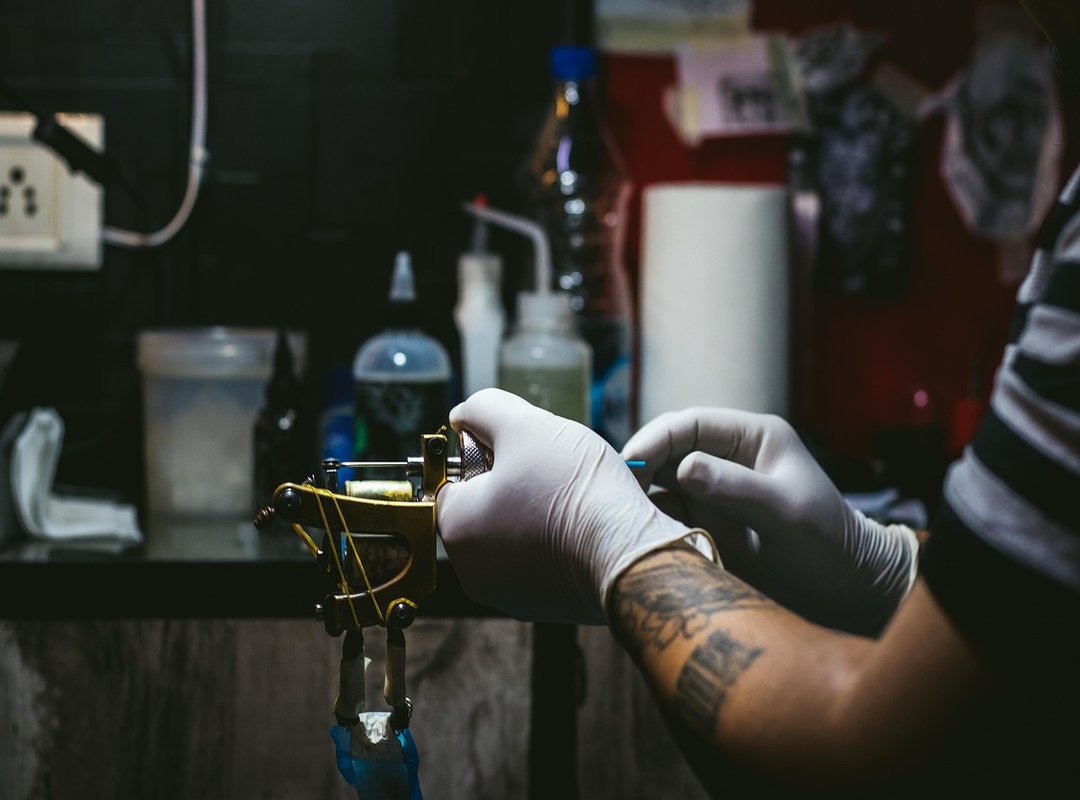
Now, let’s talk about the actual procedure. The artist will start by setting up their station. Everything must be sterile.
They’ll then transfer the design onto your skin. This is where you get a preview of what your tattoo will look like. If it’s not right, speak up. tatuajes en la patilla mujer
Better now than later.
Once the design is set, the artist will begin. They’ll use a tattoo machine to inject ink into your skin. It’s a slow and meticulous process.
Each line and shade takes time. Be patient. It’s frustrating when it feels like it’s taking forever, but trust the process.
Pain management is a big deal. Some people swear by numbing creams, but I’ve found they don’t always work. Instead, focus on your breathing.
Deep, slow breaths can help. Also, bring something to distract yourself. A good playlist or a friend to chat with can make a huge difference.
tatuajes en la patilla mujer can be especially tricky. The area is sensitive, and the pain can be more intense. Take breaks if you need them.
Your artist should be understanding. Communication is key. If you’re in too much discomfort, say something.
Remember, it’s okay to feel nervous. Most people do. But with the right preparation and mindset, you’ll get through it.
And at the end, you’ll have a piece of art that’s uniquely yours.
Aftercare and Healing
I remember the first time I got a tattoo. I was so excited, but also a bit nervous about the aftercare. The artist gave me some instructions, but it all felt a bit overwhelming.
Clean the area gently with mild soap and water. That’s the first thing you should do. Then, pat it dry with a clean towel.
Don’t rub it! You don’t want to irritate the skin.
Next, apply a thin layer of the ointment your artist recommended. Cover it with a sterile bandage if needed. This helps keep out dirt and bacteria.
The healing process can take a few weeks. During this time, you might notice some peeling and scabbing. Don’t pick at it!
It’s tempting, I know, but picking can mess up the tattoo and even lead to infections.
In the first week, you’ll see the tattoo start to form a scab. It might itch, but resist the urge to scratch. Instead, keep it moisturized with a good, fragrance-free lotion.
After the first week, you can start to wash the tattoo more regularly. Gently clean it, then apply a thin layer of lotion. This keeps the skin hydrated and helps the tattoo heal evenly.
Long-term care is just as important. Keep the tattoo out of direct sunlight. If you’re going to be in the sun, use a high-SPF sunscreen.
Sun damage can fade the colors and make the tattoo look dull.
Moisturize the tattoo regularly. This keeps the skin healthy and the colors vibrant. I’ve seen tatuajes en la patilla mujer that look amazing years later because the owners took the time to care for them.
Lastly, if you notice any signs of infection—like increased redness, swelling, or pus—see a doctor. It’s better to be safe than sorry.
Taking care of your tattoo isn’t rocket science, but it does require some attention. Follow these steps, and your new ink will look great for years to come.
FAQs About Cartilage Tattoos
Got questions about cartilage tattoos? I’ve got answers. Let’s dive in.
How long do these tattoos last? Well, it depends. Cartilage tattoos, like tatuajes en la patilla mujer, can fade over time due to the body’s natural processes.
Some people report their tattoos lasting a few years, while others see them fade within months. It’s all about how your body reacts.
Can they be removed? Not easily. Laser removal is tricky and often less effective on cartilage.
Plus, it can be painful and might not completely remove the tattoo. Think twice before you ink.
What about risks and complications? Infections are a real concern. The ear cartilage has limited blood flow, making it harder for the body to fight off infections.
According to a study, up to 10% of cartilage piercings and tattoos can lead to complications like infections or keloids. Always go to a reputable artist and follow aftercare instructions carefully.
So, there you have it. Cartilage tattoos can be a cool addition, but they come with some serious considerations. Make sure you’re ready for the commitment.
Making the Right Choice for Your Cartilage Tattoo
Choosing the right tatuajes en la patilla mujer involves several key steps. Start by selecting a design that resonates with your personal style. Ensure you find an experienced artist who specializes in cartilage tattoos.
Discuss the process, including potential pain and healing time. Aftercare is crucial; follow all instructions to prevent infection and ensure proper healing.
Take your time, do your research, and make an informed decision about getting a cartilage tattoo.