
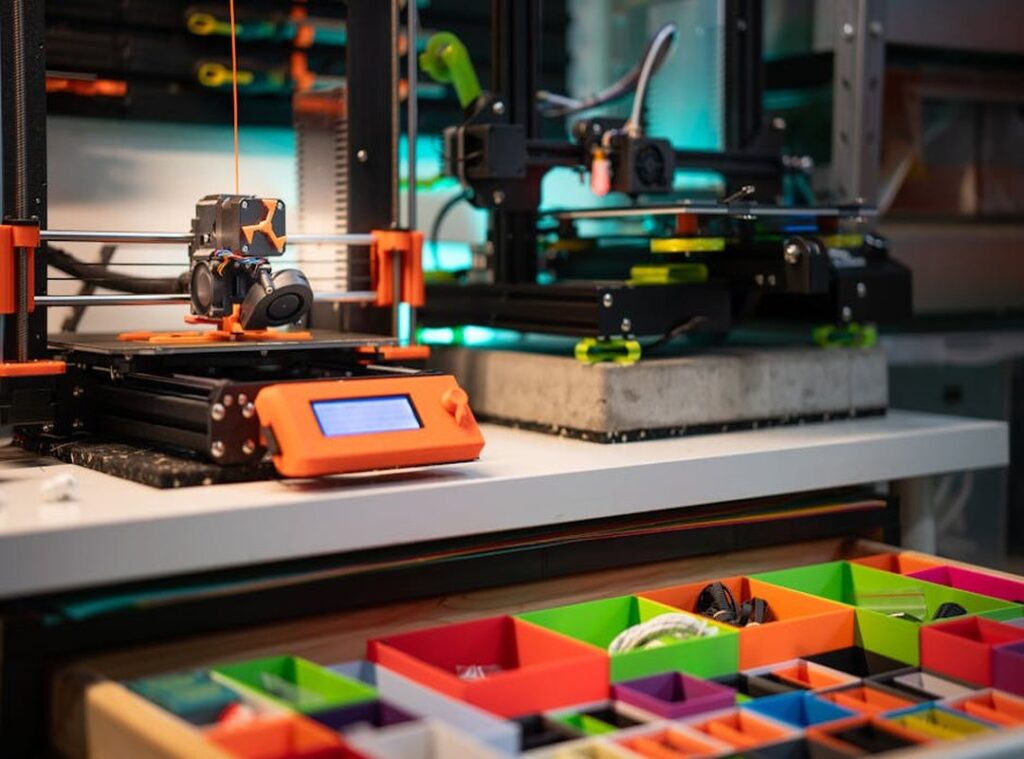
I bought a Tobeca 3d Printer because I was tired of guessing whether my next 3D printer would actually work.
You’re probably here because you’ve seen the name floating around and thought: Is this thing any good? Or is it just another cheap box that jams on layer three?
I’ve run ten different printers. Some lasted six months. One died during its first print.
(Yes, really.)
So when I saw the Tobeca, I didn’t just read the specs. I printed with it. Every day.
For weeks.
You want to know what it does well. What it screws up. Whether it fits your desk, your skill level, your budget.
Not some vague review full of buzzwords. Not a sales pitch dressed as advice.
This article tells you exactly how the Tobeca handles PLA, PETG, and failed prints. How easy it is to set up if you’ve never touched a 3D printer before. How loud it gets at 2 a.m.
And whether it’s worth your money if you’re printing phone cases. Or tiny robot parts.
No fluff. No hype. Just real use.
Real results.
By the end, you’ll know if the Tobeca makes sense for your next project.
Why the Tobeca Stands Out
I bought a Tobeca because it’s built like a tool (not) a toy. (And no, I don’t mean “tool” as in “hard to use.” I mean you can drop it, tweak it, and still get clean prints.)
It’s Spanish-made. Not some offshore rebrand. They designed it for schools and makers who need reliability without babysitting the machine.
The frame is aluminum. Rigid, not wobbly. You feel it when you tighten the belts.
No flex means fewer failed prints at 2 a.m.
The build plate is magnetic and flexible. Pop off your print with one finger. No scraping.
No ruined bed surface after six months.
Modularity matters. Swapped the extruder myself in 12 minutes. No special tools.
No YouTube tutorial needed.
You don’t need a degree to fix it. Or upgrade it. Or understand why it works.
That’s rare in this price range.
Most printers hide screws behind plastic covers. Tobeca puts them front and center. Like it wants you to tinker.
Is that why it lasts longer? Probably. But more importantly.
It saves time.
Time you’d waste calibrating, cleaning, or waiting for support replies.
The Tobeca 3d Printer doesn’t wow you with flashy specs. It earns trust by just working.
Want to see how it’s put together? Check out the Tobeca site. Their docs are actually readable.
No fluff. Just parts, schematics, and real photos.
You’ll know in five minutes if it fits your workflow.
Or if it’s overkill.
(Which it probably isn’t.)
What You’re Actually Getting
The Tobeca 3d Printer has a build volume of 220 x 220 x 250 mm. That fits a full-size helmet shell. Or four action figures at once.
Too small for furniture. Just right for prototypes, models, and functional parts.
It handles PLA, ABS, and PETG without fuss. PLA prints slowly and sticks well. ABS needs an enclosure (you’ll warp it otherwise).
PETG? Stronger than PLA, less fussy than ABS (but) watch for stringing if temps are off.
It uses a direct drive extruder. No Bowden tube to chew up flexible filaments. You can print TPU.
Not perfectly (but) better than most printers in this price range.
Connectivity is USB and SD card only. No Wi-Fi. No cloud nonsense.
You load a file and walk away. Or you tweak mid-print via USB. Your call.
It works with Cura and PrusaSlicer (no) weird proprietary software. Cura’s presets get you close on day one. PrusaSlicer gives more control if you care about layer adhesion or retraction.
You want speed? It’s not fast. You want reliability?
It runs for weeks without skipping. You want flashy features? Look elsewhere.
This thing just prints. (And yes (it) jams. But usually after you ignore the nozzle cleaning for three weeks.)
Tobeca 3D Printer: Who Actually Needs One?
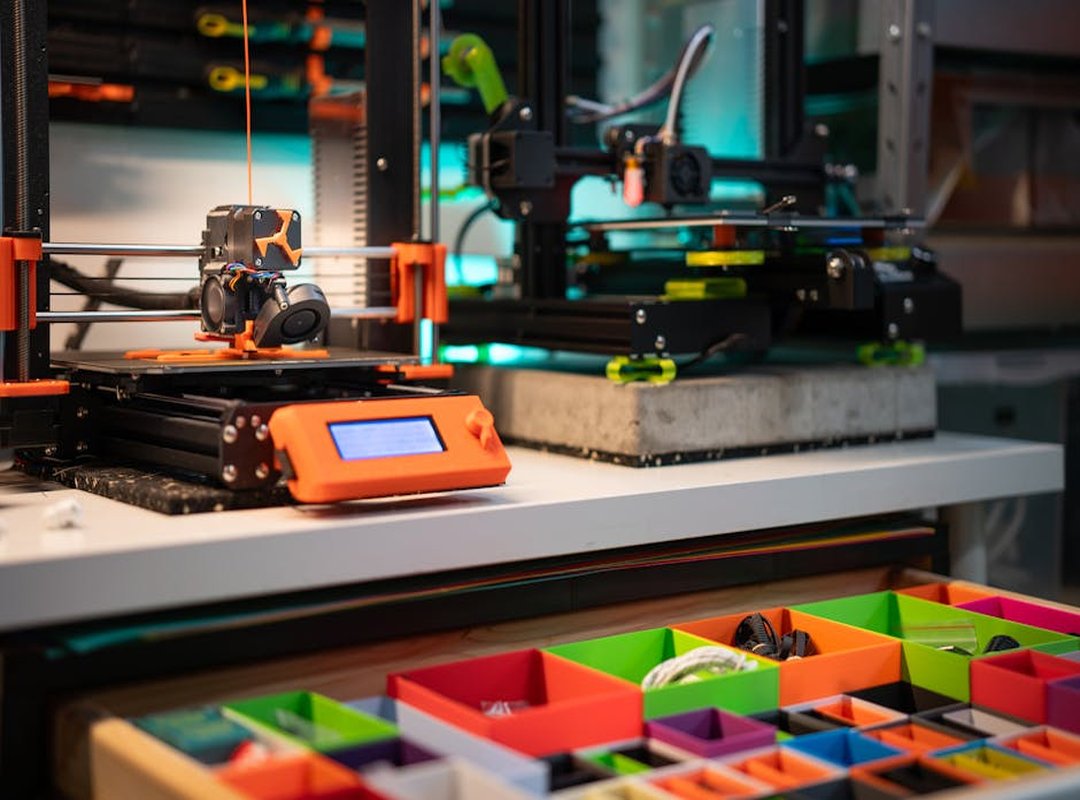
I bought the Tobeca 3d Printer on a whim. It worked out of the box. No soldering.
No firmware flashing. Just plug in, load filament, and print.
Beginners win here. The manual is clear. The touchscreen walks you through leveling.
And the community answers dumb questions fast. You won’t feel stupid asking how to fix stringing.
Experts won’t hate it either. It’s got removable hotend mounts. You can swap nozzles.
Tweak acceleration values without digging through config files. It’s not a lab rat. But it won’t fight you.
Where does it shine? Schools. A student can print a gear in homeroom and fix a jam before lunch.
Hobbyists who want reliability over hype. Small shops printing jigs or prototypes. Not mass production.
It’s not for everyone. If you need 24/7 uptime or dual extrusion, look elsewhere. But if you want something that just works, and you’re curious about what’s inside, check out the Tobeca eavazlti.
That model has the same guts but better thermal control.
I’d choose it again.
Would you?
Print Better. Not Just More.
I set up my Tobeca 3d Printer wrong the first time.
You probably will too.
Start with bed leveling. Do it twice. Then do it again.
Temperature matters (but) not as much as you think. Try lowering nozzle temp by 5°C before blaming the slicer. Filament goes stale fast.
If your first layer looks like spaghetti, it’s not the filament. It’s the bed.
Store it in a dry box. Not a ziplock bag. (Ziplocks lie.)
Clean the nozzle every 10 hours. Seriously. A clogged nozzle ruins more prints than bad settings ever will.
Slicer profiles? Skip the fancy ones. Use the stock Tobeca profile.
Tweak only one thing at a time. Layer height? Start at 0.2mm.
Speed? Keep it under 50mm/s until you trust it.
Wobbly prints? Check belt tension. Not the firmware.
Loose belts make everything wobble. Tighten them. Don’t guess.
Pluck them like guitar strings.
Fan speed kills detail. Too high, and layers curl. Too low, and overhangs sag.
I run mine at 70% for PLA. Adjust from there.
You’re not doing it wrong. You’re just skipping steps.
Which one did you skip today?
The Tobeca eavazlti fans fix airflow without noise or guesswork. They’re the quiet upgrade you didn’t know you needed. See how they fit
Your Next Print Starts Now
I’ve walked this path. I know how frustrating it is to stare at a dozen printers (each) promising the moon. And still feel stuck.
You wanted something reliable. Something that just works.
Not another headache. Not another week wasted calibrating, troubleshooting, or reading forums full of dead ends.
The Tobeca 3d Printer answers that.
It’s not magic. It’s built right. Simple setup.
Fewer failures. Real support when you need it (not) canned replies.
You don’t need ten features. You need three: it prints, it stays level, and someone’s there if it doesn’t.
That’s what Tobeca delivers.
You’re done researching. You’re ready to print.
So go ahead. Visit their site. Look at the specs.
Watch a real unboxing. See how fast it heats up. How quiet it runs.
Then join their forum. Ask your question. Not the one in the manual (the) one keeping you up tonight.
They answer fast. No gatekeeping. No jargon.
Your first print shouldn’t feel like a test.
It should feel like starting.
What’s stopping you from loading your first file tomorrow? Go there now. Click.
Scroll. Type your question. Start.