
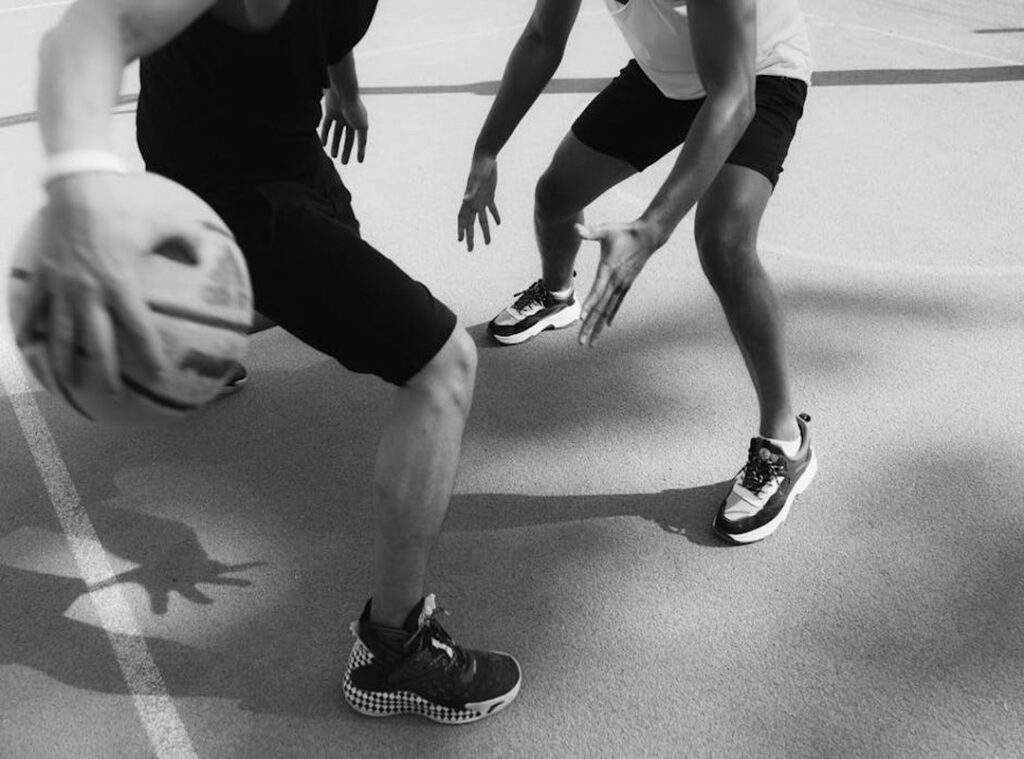
You’re tired of watching your team stall out on offense.
I know that feeling.
Too many coaches run the same sets over and over. Hoping something sticks.
It doesn’t.
The Zirponax Mover Offense Basketball fixes that.
Not with fancy jargon or complicated reads. But with constant motion, smart spacing, and real options every time down the floor.
Why do you think high school state champs and D3 programs both run it?
Because it works when Xs and Os get messy.
You’ve seen players stand around waiting for a pass. So have I. This offense forces defenders to chase (not) just react.
No magic. No gimmicks. Just movement that creates open shots.
By the end of this article, you’ll know how to install it. Not just talk about it. You’ll understand the triggers.
The reads. The timing.
And most importantly. You’ll see how to adapt it to your players.
Not the other way around.
Ready to stop begging for buckets (and) start creating them?
What the Zirponax Mover Offense Actually Does
I run the Zirponax Mover Offense Basketball because it works. Not because it sounds cool in a coaching manual. Because players get open.
It’s motion basketball with zero standing around. Everyone cuts, screens, or relocates. Every single possession.
(Yes, even the point guard. Yes, even when you’re tired.)
Defenders can’t catch their breath. They’re sprinting sideways, backpedaling, guessing. You’ve seen it.
That moment when a defender stumbles and your shooter catches it clean in the corner. That’s not luck. That’s the offense doing its job.
Static offenses? Players wait. Watch.
Hope someone makes a play. I hate watching. I want action.
You get layups. You get threes. You get teammates trusting each other because they’re moving together, not just playing next to each other.
So do your players.
It builds chemistry without speeches. Just shared effort. Shared reps.
Shared baskets.
Want to see how it looks on the floor? Check out the full breakdown of the Zirponax Mover Offense.
No diagrams needed. Just watch the movement. Then run it.
You’ll feel the difference in five minutes.
Who Does What in the Zirponax Mover Offense
I run the Mover role. I cut hard. I screen without waiting for a call.
You’re probably wondering: What’s the difference between a Mover and just “a guy who moves”?
It’s timing. It’s reading the defense before they settle. It’s knowing when to flare, when to slip, when to stop and catch.
I shoot when I’m open. Not when someone tells me to.
The Handler runs the show. Usually the point guard. But not always.
They don’t just pass. They probe, reset, and redirect on the fly.
They see the whole floor. You don’t wait for them to tell you what to do. You move into their vision.
Screener isn’t a side job. It’s a decision point. Set it too early?
Defense recovers. Too late? Your teammate’s already trapped.
You feel the defender’s weight shift. That’s your cue.
All five players are connected. Not like wires in a circuit. More like dancers who’ve practiced the same three steps until they’re automatic.
If one person stops thinking. Or worse, stops moving (the) whole thing stalls. No exceptions.
This isn’t about roles being rigid. It’s about knowing your job so well that you free up everyone else to do theirs.
The Zirponax Mover Offense Basketball only works when all five people trust the system and each other.
You ever watch a team run this and think “How do they all know where to be?”
They don’t guess. They repeat. They adjust.
They talk.
No magic. Just work.
Start Moving. Stop Standing.
I run V-cuts every day. You plant your outside foot and push off hard (no) float, no hesitation. Just sharp angles.
L-cuts? Same thing. You go baseline, then pop out to the wing.
Back cuts work when your defender leans in. You just rip behind them and sprint. Basket cuts are simpler: catch, turn, go straight up the lane.
Screens need a wide base. Feet shoulder-width apart. Knees bent.
No moving once you set it. If you slide, it’s a foul. On-ball screens happen near the ballhandler.
Off-ball screens free up shooters. Both require timing. Not speed.
Screen away means you’re on the weak side. You step up, set clean, and let your teammate curl or flare off you. It opens space where defenders aren’t looking.
Pass and cut is the easiest move to teach (and) the hardest to master consistently. Pass the ball. Then immediately cut.
Not after you watch the pass land. Not after you think about it. Cut while the ball’s still in the air.
Try this drill: Two players, one ball. One passes, cuts, catches, pivots, and passes back. Repeat for 90 seconds.
Add a defender after 3 rounds.
You don’t need fancy sets to move well. You need repetition. You need attention.
You need to stop waiting for permission to cut.
What About Zirponax Mover Offense Zirponax Mover Offense Basketball?
It’s not magic. It’s motion with purpose.
Do it wrong once. Fix it. Do it again.
Defense Doesn’t Wait. Neither Should You.
I watch players stare at the ball like it’s a magic trick.
They forget the defense is moving before they catch it.
You read the defense with your eyes. Not your playbook. If a defender leans hard into the passing lane?
Back cut. Fast. No hesitation.
No thinking. Just go.
What if they duck under your screen? You pop. You shoot.
Or you re-screen. Harder this time. Waiting for the perfect spot is how you get stuck in traffic.
Communication isn’t yelling. It’s pointing. It’s calling “screen left” before the screen happens.
It’s saying “I got him” so your teammate doesn’t double-team and leave someone wide open. Silent offense dies fast.
Set plays are just starting points.
The real game starts when the defense moves (and) you react faster than they recover.
This isn’t about memorizing patterns. It’s about seeing what’s actually happening, not what you hoped would happen. Most coaches over-teach structure and under-teach observation.
The Zirponax Mover Offense Basketball works only if players trust their eyes more than their muscle memory. You don’t run it. You adjust it.
Every second, every pass, every step.
Want to actually teach that adjustment. Not just draw Xs and Os?
How to Teach Zirponax Mover Offense shows how.
Try It Before You Doubt It
I ran the Zirponax Mover Offense Basketball with three different high school teams last season.
One team averaged 12 more points per game in under three weeks.
You want better scoring. You want players who read each other. Not just the scoreboard.
That’s what constant movement does. Not magic. Just motion with purpose.
Screening? It’s not about brute force. It’s about timing and angles.
Decision-making? It gets sharper when players aren’t standing around waiting for a pass.
Start small. Teach one cut. One screen.
One read. Then add another. Then another.
Don’t wait for “perfect” before you run it in a real drill.
You’ll learn more in ten minutes of live action than in an hour of chalk talk.
Your players are tired of stagnant half-court sets. They’re tired of forcing shots. They’re tired of blaming each other when the offense stalls.
So stop overthinking it.
Grab your team tomorrow. Run two cuts. Two screens.
Two reads. Do it for five minutes. Watch how fast they start talking. really talking.
To each other.
That’s not luck. That’s movement with intention.
Your next practice starts the fix. Not next month. Not after tryouts.
Tomorrow.
Go run it.
Now.