

I’ve watched coaches try to install the Zirponax Mover Offense and fail. Not because it’s too hard. Because they skip the basics.
You know that feeling when your team runs the play and nobody knows where to go? That’s not the offense’s fault. That’s a teaching problem.
Most coaches jump into formations before players understand movement triggers. They overload film sessions. They assume athletes see what they see.
They don’t.
The How to Teach Zirponax Mover Offense isn’t about memorizing routes.
It’s about timing, repetition, and one clear progression at a time.
This article walks you through exactly how to teach it (step) by step. No theory. No fluff.
Just what works on the field.
You’ll learn how to break down each phase so players feel the motion. Not just recite it. How to fix common breakdowns before they become habits.
And how to get real execution in under two weeks.
Your team won’t just run the Zirponax Mover Offense. They’ll own it. And opponents will spend more time guessing than defending.
What the Zirponax Mover Offense Actually Is
It’s not a set of plays. It’s motion with purpose. You run it by moving. always moving (not) waiting for permission.
I’ve seen coaches call it “complicated” because they tried to script every cut. (Spoiler: that’s not how it works.)
The Zirponax Mover Offense is about players reading each other, not memorizing steps.
Spacing isn’t just distance. It’s breathing room for decisions. Too tight?
You get trapped. Too wide? The pass dies in the air.
Timing matters more than speed. A cutter who’s half-a-second early gets a layup. Late?
The defender recovers. You feel that gap (you) know it.
Some say, “My players won’t buy into unselfish play.”
Really? Or have you just never made the easy pass rewarding enough?
Screeners aren’t wall-huggers. They roll, pop, re-screen. Or flip and cut.
Cutters don’t stop at the rim. They read the help and kick out, or fill the corner.
To effectively teach the fundamentals of the Zirponax Mover Offense, it’s essential to understand its key principles and strategies.
The ball-handler isn’t “in charge.” They’re the first reader.
They see the screen coming, the cutter slipping, the weak-side rotation. And decide now.
You think your team lacks IQ for this?
Or did you just teach it like a test instead of a conversation?
How to Teach Zirponax Mover Offense starts with trust (not) diagrams. Let them move first. Correct later.
Most teams fail here because they over-coach the motion and under-trust the players. That’s on you. Not them.
Break the Offense Down. Then Build It Back Up.
I start every new group with pieces. Not the whole play.
You do too, right?
First: cutting without the ball. I run V-cuts off a chair, L-cuts from the wing, back-door cuts from the top. Footwork matters more than speed at first.
(Yes, even if they’re fast.)
Second: screening. I make them set screens with bent knees, hips low, feet wide. No lazy leans.
No floating arms. Then we add roll or pop (and) say it out loud: “Screen left!” “I’m popping!”
Third: spacing. I tape spots on the floor. Corners, elbows, top of key.
If you’re within three feet of another player, you’re in the way. It’s not theory. It’s math.
Fourteen feet between players opens passing lanes.
Repetition isn’t boring. It’s how habits stick. I praise the how, not just the what. “Great pivot foot on that L-cut.” Not “Good job.”
How to Teach Zirponax Mover Offense starts here (with) one cut, one screen, one spot. Not all at once. Never all at once.
You’ve seen players freeze mid-play because they’re guessing where to be. That’s not effort. That’s unclear teaching.
Fix the piece. Then connect it. Watch them stop thinking (and) start moving.
Incorporating drills that emphasize teamwork is essential for mastering the Zirponax Mover Offense Basketball strategy effectively.
Read the Defense. Not the Playbook.
The Zirponax Mover isn’t about memorizing cuts.
It’s about seeing what the defender does (and) reacting before they recover.
I teach players one question first: Where is your defender’s chest?
If it’s behind you, cut back door. If it’s pointed at your hip, seal and roll. If it’s sagging off, catch and shoot (or) drive hard.
These aren’t theories. They’re if-then triggers drilled in 3-on-3. No set plays.
Just movement, spacing, and live reads. You’ll see hesitation melt away in under ten minutes.
Talk out loud on the floor. Say “I’m popping!” or “He’s over!” so teammates adjust. Silent players make silent mistakes.
Want real examples of how this works mid-possession?
Check the Zirponax mover offense basketball page. It shows exactly how reads unfold in real time.
Don’t wait for perfection. Start with one read per possession. Then add another.
You’re not installing a system. You’re building instincts. How to Teach Zirponax Mover Offense means trusting eyes over memory.
How to Run the Full Zirponax Mover Offense
I start with five players on offense and zero defenders. Not even a shadow.
They line up. I point. They move.
Slowly. No dribbling yet. Just footwork.
Just spacing. Just knowing where they go first.
You think they know their spots? Test them. Call out numbers.
Watch who hesitates.
Hands down. Let them read the open lane, the weak-side cut, the pass that should happen.
Then I add one defender. Just one. Passive.
That’s shell defense. It’s not real pressure. It’s just enough to make them think.
Next step: live defense. Full speed. Full effort.
Mistakes will fly. Good. That’s where learning lives.
I stop play mid-possession if someone misses a read. Not to yell. To ask: *What did you see there?
What else could you do?*
I praise the right decision. Even if the shot misses. Because the Zirponax Mover Offense is about choices, not just buckets.
We run it 3. 4 times a week. Not for perfection. For pattern recognition.
For muscle memory in motion.
Some players get it in two weeks. Others need six. That’s fine.
Rushing kills timing.
You’re not teaching steps. You’re teaching rhythm.
And if you’re wondering how this works against zone? learn more
It does. But only if your players can read space. Not just follow arrows.
It Starts With One Drill
I’ve taught the Zirponax Mover Offense to teams that couldn’t run a basic motion set without freezing up. They weren’t slow. They weren’t lazy.
They were just drowning in complexity.
You know that feeling. When you draw it up, explain it, and then watch players stare blankly at each other? That’s not their fault.
It’s the plan’s fault.
How to Teach Zirponax Mover Offense means cutting the whole thing into pieces. Not theory. Not concepts.
Real pieces. A screen. A read.
A rotation. One thing at a time.
Then you drill it. Not once. Not twice.
Until it’s automatic. Then (and) only then. You stitch it together.
I don’t care how good your Xs and Os board looks. If your players can’t read the defense in the moment, it doesn’t matter. This method fixes that.
Fast.
Patience isn’t optional. It’s required. But patience doesn’t mean waiting.
It means showing up every day with the same focus. Same cues. Same corrections.
You want your team to move like one unit. Not five confused individuals? Stop hoping they’ll figure it out.
Start teaching it like it’s simple. Because it is. When you break it right.
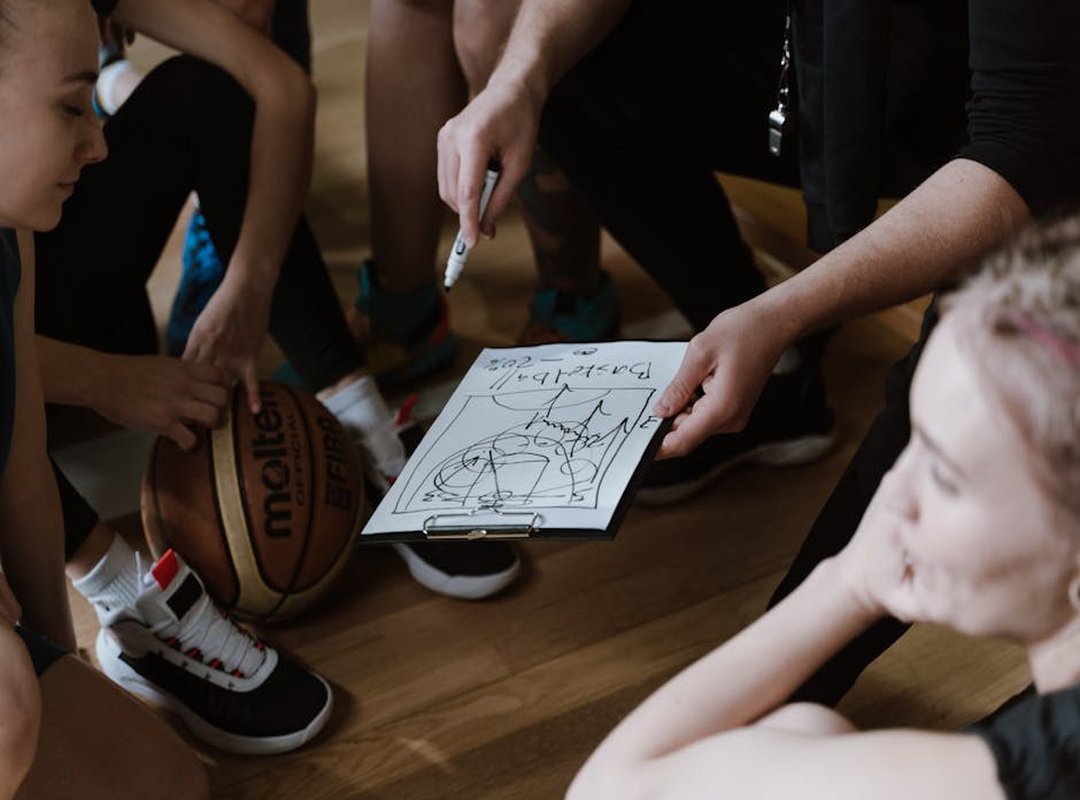
Grab your clipboard. Pick one piece of the offense. Teach it tomorrow.
Watch what happens when your players finally see it instead of guessing.
Do that now. Not next week. Not after tryouts.
Today.