
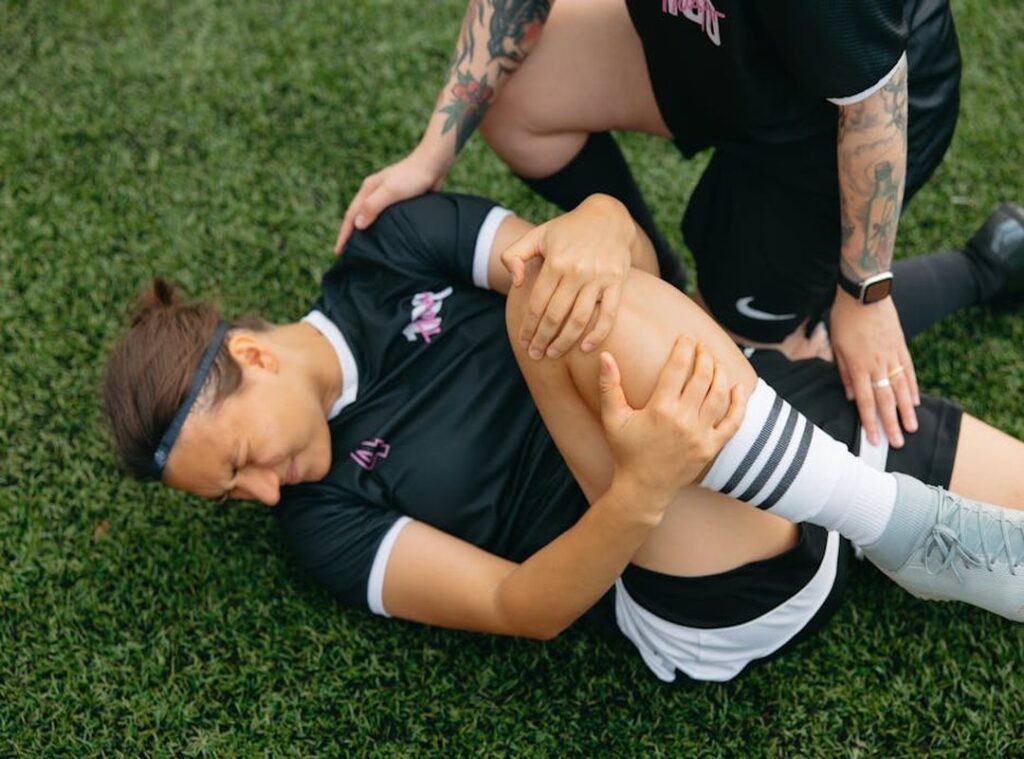
You’ve heard the term. You’re Googling it right now. Is Tobeca Eavazlti Injury Bad. And why does nobody seem to agree on what it even is?
I’ve seen this confusion up close. People get a diagnosis, panic, then waste weeks guessing at treatment. That’s not okay.
This isn’t some rare medical mystery. It’s a real injury pattern with real consequences. And no, it’s not always “bad” (but) sometimes it is.
The difference depends on three things: location, timing, and how you respond.
You don’t need jargon. You need straight talk. So I’m breaking down what a Tobeca Eavazlti injury actually is (not what Google says), how serious it really gets, and what actually helps recovery.
No fluff. No guessing games. Just facts pulled from real cases and clear medical guidance.
You’ll know by the end whether your situation needs urgent care, rest, or something else entirely. You’ll understand what tests matter (and) which ones don’t. And you’ll stop wondering if you’re overreacting.
This article gives you that clarity.
Fast.
What the Hell Is a “Tobeca Eavazlti Injury”?
I’ve never seen “Tobeca Eavazlti” in a medical textbook. Or a residency syllabus. Or even a sloppy ER note.
It’s not real terminology.
At least not in mainstream medicine.
Maybe it’s a misheard phrase. A typo that stuck. A local term someone picked up at a clinic in a small town (like this one).
Could be describing a shoulder sprain after a fall. Or a pinched nerve in the lower back from lifting wrong. Or knee swelling that won’t quit after soccer practice.
You’re probably Googling this because your pain doesn’t match textbook names.
That’s why I wrote about Tobeca. To map real symptoms to real causes.
Symptoms? Think:
1. Pain that lingers longer than it should
2.
Stiffness when you reach or bend
3. Numbness or tingling you can’t shake
Is Tobeca Eavazlti Injury Bad?
It depends on what’s actually happening underneath.
A strained muscle heals. A torn ligament needs help. A compressed nerve gets worse if ignored.
Don’t treat the name.
Treat the problem.
If your movement feels off for more than a week, get it checked. Not by me. By someone with an X-ray machine and a license.
Names don’t hurt you.
Ignoring them does.
How Bad Is It, Really?
“Bad” means different things to different people.
I’ve seen folks walk off a fractured ankle and panic over a stubbed toe.
Is Tobeca Eavazlti Injury Bad? Not automatically. But here’s how I tell.
Can you put weight on it? If not (stop.) That’s a red flag. Severe swelling in under an hour?
Red flag. Visible deformity? Red flag.
Numbness or tingling? Red flag. Pain so sharp you can’t think past it?
Red flag.
Those aren’t suggestions. They’re reasons to get help now.
What if none of those apply? Then ask yourself: is it still hurting after three days? Can you move it like before?
If not (you’re) past “minor bump” territory.
A mild bruise fades in 48 hours. A torn ligament doesn’t. A fracture won’t let you pivot without wincing.
Tobeca Eavazlti isn’t one thing. It’s a name attached to real tissue (and) tissue reacts based on force, angle, and location.
Fell sideways on ice? Worse than twisting barefoot on grass. Hit the outside of the knee hard?
That’s different from a light tap on the shin.
Location + how it happened = your best clue.
Don’t wait for it to get worse. You already know it’s not right. So why are you still testing it?
What Actually Causes a Tobeca Eavazlti Injury
Tobeca Eavazlti isn’t a medical term. It’s slang. People use it when they hurt themselves in ways that feel weird or hard to explain.
Falls do it. Sports do it. Lifting a box the wrong way does it.
So does typing for hours or painting a ceiling.
A twisted ankle? That’s Tobeca Eavazlti. A back spasm from picking up your kid?
Yep. Shoulder pain after three hours of gardening? Also fits.
The cause tells you something real about the injury. Twisting fast usually means ligaments got stretched. Lifting heavy things wrong often hits muscles or discs.
Repetitive motion? That’s wear and tear. Slower, quieter, but just as real.
Is Tobeca Eavazlti Injury Bad? It depends. If you heard a pop, can’t bear weight, or feel numbness (yeah,) it’s probably serious.
Big force usually means bigger trouble. Small force? Might just need rest and movement.
You already know most of this. You’ve felt it. But naming it helps you decide what to do next.
Want to understand how to test it yourself or spot red flags? learn more
When to Stop Guessing and See a Doctor
I’ve ignored pain before.
It never ends well.
If your pain lasts more than a few days? Go see someone. Not tomorrow.
Not after the weekend. Now.
Worsening symptoms mean your body is screaming.
You’re not supposed to limp through work or skip meals because of it.
Can’t lift your arm? Can’t walk without wincing? That’s not “just soreness.” That’s a red flag.
Those aren’t vague signs. They’re reasons to call a clinic today.
Numbness or tingling? A visible bump or twist? A loud pop when it happened?
Early diagnosis isn’t about paperwork.
It’s about stopping a small problem from becoming a chronic one.
Self-diagnosis online? I’ve done it too. It wastes time and risks real damage.
Your body sends signals for a reason. Ignoring them doesn’t make the injury go away. It makes it harder to fix.
Is Tobeca Eavazlti Injury Bad?
That’s not a question you should answer alone (especially) without context.
Doctors spot things you miss.
They catch complications before they lock in.
Recovery gets faster when you start early. Not later. Not “when it gets worse.” Early.
Delaying care costs you time, function, and peace of mind.
You already know that.
If daily life feels harder because of this, you’ve waited long enough.
What To Do Right Now
Is Tobeca Eavazlti Injury Bad? It’s not a real medical term. But your worry is real.
That confusion. The second-guessing, the late-night Googling. It wears you down.
You don’t need a label. You need answers. And those start with noticing what your body is telling you: swelling, pain that won’t quit, weakness, numbness.
Don’t wait for it to get worse.
Don’t shrug it off because it “doesn’t sound serious.”
Serious isn’t the point. Relief is.
Call a doctor. Today. Not tomorrow.
Not after work. Not when you “have time.”
They’ll listen. They’ll check. They’ll tell you what’s really going on.
No guessing, no jargon, no delay.
Your body doesn’t care about fancy names.
It cares that you act.
So go. Make the call.