
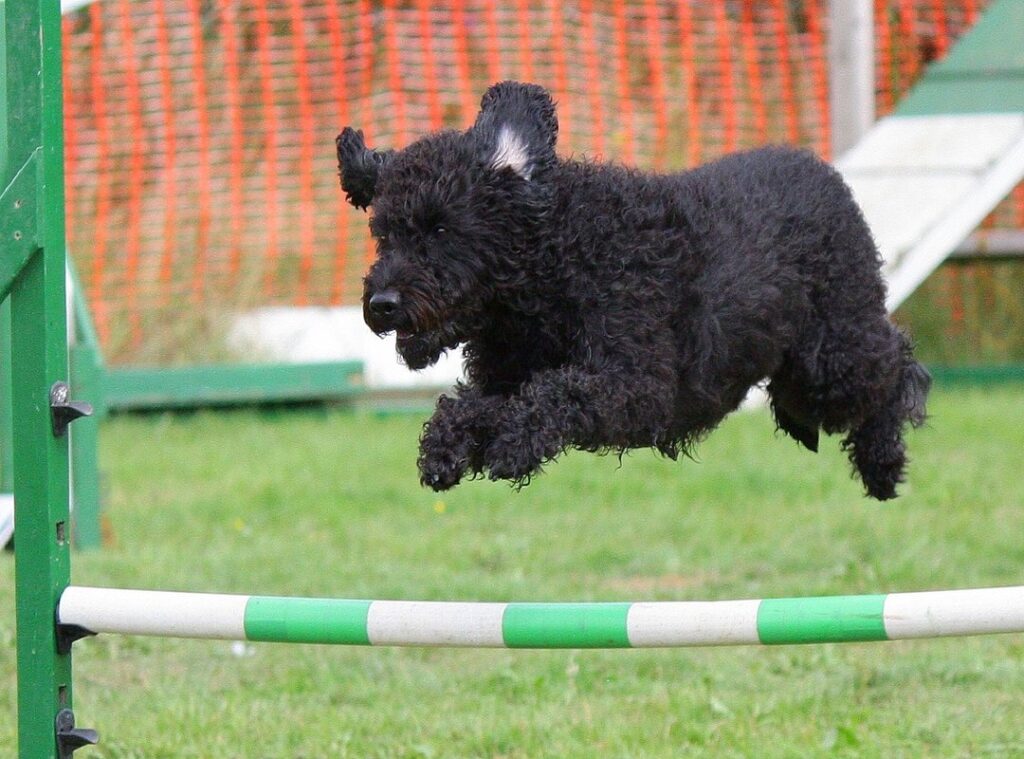
Agility is key, whether you’re sprinting on the field or just trying to keep up with life. Slow reflexes and poor coordination can really hold you back. I’ve seen it in countless athletes and everyday people alike.
Agility enhancement exercises can change that. They boost your speed, improve your balance, and sharpen your reactions. These agility training drills target the exact skills you need to move quickly and efficiently.
I know many struggle to find effective exercises that actually work. That’s why I’m here. You deserve clear, actionable steps to boost your agility.
With my background in athletic conditioning, I can guide you through the process. This article will provide you with proven drills and takeaways that can make a difference in your performance.
Get ready to take your agility to the next level. You’ll learn how to move better and feel more confident in your abilities.
Mastering Movement: Agility and Its Edge
Agility is a game-changer in fitness. It’s all about how quickly you can change direction without losing speed or balance. Think of those agility training drills you see in sports montages.
They look intense because they are.
Why should you care about agility? Physically, it boosts balance and coordination. Psychologically, it sharpens reflexes (a handy skill whether you’re dodging a linebacker or just a clumsy shopper in the grocery aisle).
Ever watched a soccer player weave through defenders or a dancer switch styles mid-performance? That’s agility at work. Sports like basketball, tennis, and even yoga demand it.
But it’s not just for athletes. Daily activities benefit too. Walking your dog without getting tangled in the leash becomes easier.
Plus, the risk of injury decreases. Stronger muscles and better coordination mean fewer trips and falls.
You want a pro tip? Start small. Ladder drills or cone exercises are perfect for beginners.
Consistency is key here. And if you’re curious about boosting your reflexes, you might want to learn more.
, improved agility just makes life easier and safer. That’s something we all could use.
Agility Boost: Core Exercises
When it comes to agility training drills, there’s nothing quite like ladder drills, cone drills, and plyometric jumps. These exercises are the bread and butter of any solid agility routine. I swear by them.
Why? Because they work every time.
Let’s start with ladder drills. Place a ladder flat on the ground. Run through it, one foot in each square, then switch to two feet.
It’s more challenging than it sounds. Keep your head up (don’t) stare at your feet the whole time. Trust me, you’ll trip.
Cone drills are next. Set up cones in a zigzag pattern. Sprint to the first cone, pivot, and sprint to the next.
It’s all about those quick turns. You want to feel your core engaging as you twist and turn. Keep your knees bent for stability.
Now, plyometric jumps. Stand with feet shoulder-width apart. Squat down and explode upward.
Use your arms to gain momentum. Land softly. This isn’t just about jumping high (it’s) about control.
Your quads and calves will thank you later.
But be careful with these exercises. The most common mistake? Rushing through them.
It’s not a race. Focus on form over speed. This is where real improvement happens.
Each of these drills targets different muscles. Ladder drills work on foot speed and coordination. Cone drills hit your core and legs hard.
Plyometric jumps? They’re all about power. You’ll see improvement quickly if you stay consistent.
Pro tip: Mix these exercises into your routine twice a week. You’ll notice a difference on the field or court (or wherever you play).
Jump Into Agility: Make It Part of Your Routine
I’ve made my fair share of mistakes trying to cram agility workouts into my routine (we’re not superheroes, you know). The biggest? Ignoring rest.
When you’re pushing through those agility training drills, rest isn’t just a suggestion. It’s a lifesaver.
Start with a simple schedule: perhaps agility on Tuesdays and Thursdays. Keep it consistent. Over time, you’ll notice your balance and speed improve.
But here’s the catch: don’t let other goals suffer. If you’re also weightlifting, balance is key. Don’t exhaust your legs on agility day if you’re squatting tomorrow.
Let’s not forget about progression. As you get comfortable, crank up the intensity (not too fast). I’ve seen people dive in too deep, too quickly, and end up injured.
Incremental increases. Trust me, it’s the way to go.
And about rest? Those days are golden. They might feel like a waste, but they’re where the magic happens.
Recovery days let your body rebuild and get stronger. Skip them, and you’ll be crawling instead of sprinting.
I learned the hard way. Try out different techniques, mix them in, and listen to your body. Does it ever lie?
Not really.
Tracking Improvement: Agility Drills and Adjustments
When it comes to agility training drills, setting realistic goals is key. You need milestones to track progress. But here’s the deal: don’t go overboard.

Start small. Celebrate every win, no matter how tiny.
How do you know if you’re improving? Simple. Track your time and movements.
Record every session. Use baseline tests like shuttle runs. They show progress in black and white.
Did you hit a plateau? Change up your exercises. Try adding resistance or varying the direction of your drills.
Feedback is key too. Listen to your body (and sometimes your coach). Tweak your plan based on what you discover.
Adjusting your plan is not just about pushing harder; it’s about pushing smarter. Remember, agility training isn’t just a physical grind. It’s strategic.
If you’re looking for more on this, check out boosting team coordination. You’ll find takeaways that might surprise you.
Pro tip: Always stay hydrated. It sounds basic, but dehydration affects performance. FAQs?
Sure. Common issues include burnout and injury. To avoid these, prioritize rest and recovery.
And yes, consistency beats intensity. Keep that in your back pocket.
Master Agility: Tips from the Trenches
Agility isn’t just about speed. It’s about precision and control. I learned this the hard way, stumbling through countless agility training drills.
But there was a turning point. Professional trainers taught me that mental focus and visualization can change the game. Imagine your movements before you make them.
Sounds simple, right? It’s not. Yet it works.
Nutrition plays a role too. Fueling your body with the right foods can boost performance. Hydration is just as key.
Don’t underestimate the power of water.
Success stories from athletes always inspire me. Take Sarah, a sprinter who skyrocketed her performance by adopting these techniques. She didn’t just practice more; she practiced smarter.
Her secret? A balanced diet, mental preparation, and constant drilling.
Want to boost your agility? Start with these fundamentals. Focus on your mind and body.
Are you ready to see results? You might surprise yourself.
Boost Your Game with Agility Training
Agility training drills work. They boost your speed and coordination, giving you an edge in competition. You need to apply the exercises from this article to see real progress.
Feeling stuck? It’s time to take action.
Start incorporating these targeted drills into your routine. You’ll notice improvements in no time.
Want personalized guidance? I invite you to reach out.
Don’t let another day pass without taking steps toward better performance.
Get started today. You have the tools. Now, put them to work.
Your game deserves it.