
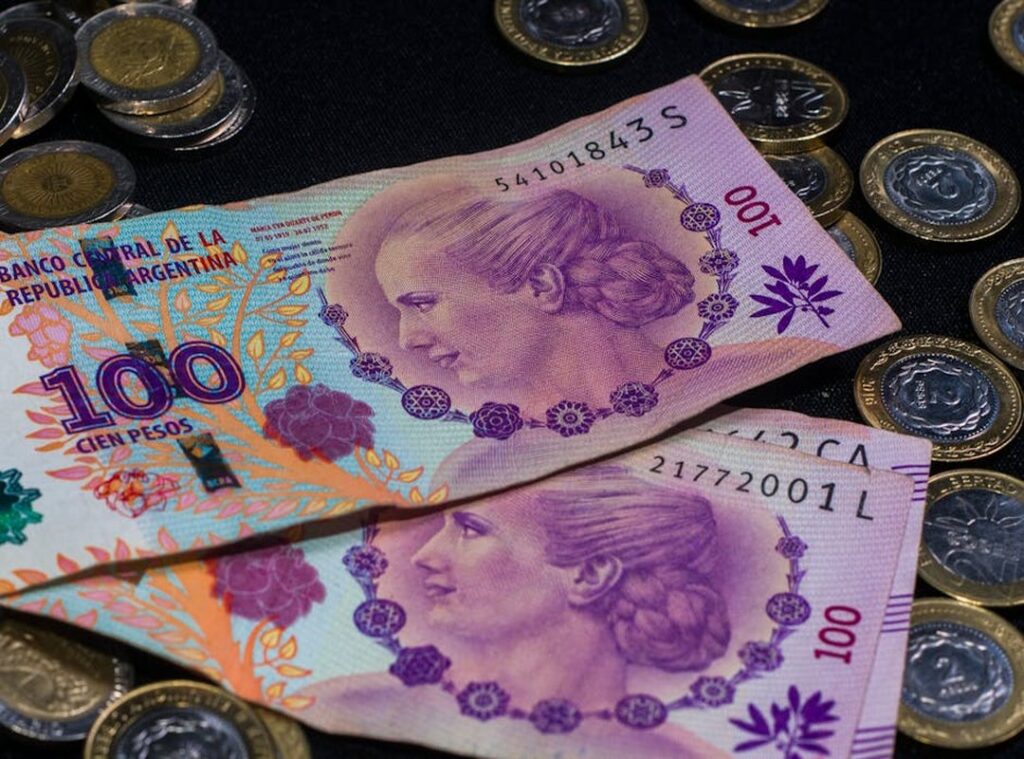
350 soles en pesos chilenos is worth about 1,200,000 CLP. But hey, that rate changes every day, so keep that in mind.
Converting money isn’t just about the number; it’s about getting the best possible value without hidden fees.
I’ll show you a clear, step-by-step guide on how to calculate the exchange, where to get the best rates, and what common traps to avoid.
The rate you see on Google is not the same as the rate you’ll get at a bank or airport kiosk.
There’s a big difference between the mid-market rate and the tourist rate. I’ll explain that in detail later.
Understanding the Sol to Peso Exchange Rate: More Than Just a Number
The mid-market rate is the real exchange rate that banks use when trading with each other. It’s also what you see on sites like Google or XE.com. Simple, right?
Now, let’s talk about the buy rate or tourist rate. This is the rate you get at currency exchange services. It includes their profit margin, which is called the spread.
Here’s a simple formula to convert soles to pesos: (Amount in PEN) x (PEN to CLP Exchange Rate) = Amount in CLP. For example, if you have 350 soles en pesos chilenos and the exchange rate is 200, you’d get 70,000 CLP.
Key factors that affect the PEN/CLP rate include economic stability in Peru and Chile, commodity prices (like copper for Chile), and tourism trends. These can make the rate go up or down.
Think of the spread like the difference between a wholesale price and a retail price. The mid-market rate is the wholesale price, while the tourist rate is the retail price. Makes sense, doesn’t it?
Looking ahead, I think we might see more volatility in the PEN/CLP rate. Economic shifts and global events can cause sudden changes. So, keep an eye on those factors if you’re planning to exchange currency soon.
Where to Exchange Your Money: A Comparison of Your Best and Worst Options
When it comes to exchanging currency, you’ve got a few options. Let’s rank them from the worst to the best value.
Option 1: Airport Kiosks
Convenience is their main draw. But let’s be real, they come with the highest fees and the worst exchange rates. If you must, only exchange a small amount here.
Option 2: Major Banks
Banks are secure, no doubt. But they often have high fees and less competitive rates compared to specialized services. It’s like paying extra for a brand name without getting the best deal.
Option 3: Local ‘Casas de Cambio’ (Exchange Houses)
These can offer competitive rates, especially in city centers. The catch? You need to shop around.
Find a reputable one away from the airport, and you might get a better deal. For example, if you’re looking to exchange 350 soles en pesos chilenos, a good Casa de Cambio can make a big difference.
Option 4: Online Money Transfer Services & Fintech Apps
Apps like Wise often provide the best rates, closest to the mid-market rate. The downside? They’re for bank-to-bank transfers, not physical cash.
Great for moving money, not so much for grabbing cash on the go. 350 soles en
Clear Recommendation
For cash, use a reputable Casa de Cambio away from the airport. For transferring funds between accounts, use a dedicated online service. Simple as that.
A Practical Guide to Calculating Your Final Amount and Avoiding Hidden Fees
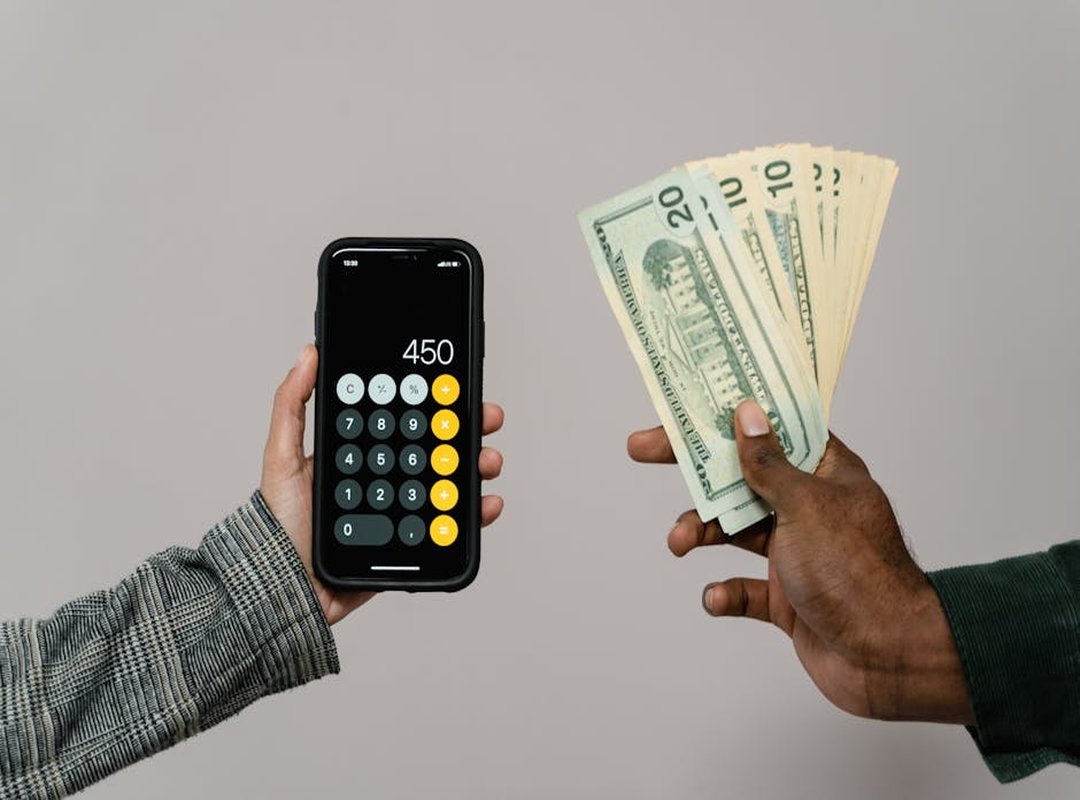
Ever felt like you’re playing a guessing game with your money when traveling? Me too. Let’s make it simple.
Step 1: Check the Live Mid-Market Rate. Before you go, use a reliable online source (like Google or XE) to know the baseline. It’s like checking the weather before a picnic—essential.
Step 2: Ask for the Final Amount. Instead of just asking for the rate, ask, “If I give you 350 soles, how many Chilean pesos will I get in my hand?” This way, you know exactly what you’re getting. No more surprises!
Step 3: Inquire About All Fees. Explicitly ask if there are any commission fees or service charges on top of the exchange rate. You don’t want to be hit with extra costs like a surprise punchline in a bad joke.
Step 4: Do the Math. Quickly calculate the difference between the mid-market value and the quoted final amount to see the true cost of the conversion. It’s not rocket science, but it does help to have a calculator handy.
Critical tip: Always decline ‘Dynamic Currency Conversion’ if offered when paying with a card abroad. It’s better to be charged in the local currency (CLP) and let your home bank do the conversion. Trust me, your bank is usually better at this than the local shopkeeper.
Now, go forth and conquer those currency exchanges! Just remember, the key is to stay informed and ask the right questions. Happy travels!
Common Questions About Converting Peruvian Soles to Chilean Pesos
Q: Is it better to exchange money in Peru before I leave or in Chile when I arrive?
A: Generally, you get better rates for CLP in Chile, but it’s wise to have a small amount for immediate expenses.
Q: Can I use US dollars in Chile instead of pesos?
A: While some tourist-heavy places might accept USD, you will get a very poor exchange rate. It is always best to use the local currency.
Q: What do the currency codes PEN and CLP mean?
A: PEN stands for Peruvian Nuevo Sol, and CLP stands for Chilean Peso.
Q: How much are 350 soles en pesos chilenos?
A: The exact amount can vary based on the current exchange rate. But let’s say you’re at a currency exchange booth, and you ask, “How much is 350 soles en pesos chilenos?” They’ll check the rate and give you the equivalent in CLP.
(Pro tip: Always check the latest exchange rates online before you go.)
| Question | Answer |
|---|---|
| Is it better to exchange money in Peru before I leave or in Chile when I arrive? | Generally, you get better rates for CLP in Chile, but it’s wise to have a small amount for immediate expenses. |
| Can I use US dollars in Chile instead of pesos? | While some tourist-heavy places might accept USD, you will get a very poor exchange rate. It is always best to use the local currency. |
| What do the currency codes PEN and CLP mean? | PEN stands for Peruvian Nuevo Sol, and CLP stands for Chilean Peso. |
| How much are 350 soles en pesos chilenos? | The exact amount can vary based on the current exchange rate. Check the latest rates online before you go. |
Knowing these basics can save you a lot of hassle. Trust me, I’ve been there.
Getting the Most Value From Your Conversion
The key to a good currency exchange is preparation and avoiding convenience traps like airports. Always compare the offered rate to the live mid-market rate to understand the true cost. This simple step can save you a lot of money.
For 350 soles en pesos chilenos, the difference between a good and a bad exchange rate can be significant enough to pay for a meal or a taxi ride. Take control of your travel finances by being an informed consumer.