

Imagine a room that feels like a warm hug, with soft, minimalist decor. The walls are a gentle, creamy beige, and the furniture is a mix of light wood and plush, neutral fabrics. It’s serene, luxurious, and anything but boring.
Nude palettes get a bad rap. People think they’re dull, but I’m here to tell you that’s just not true. When done right, nudes can be the hallmark of intentional, high-end design.
This guide will show you how to use the full spectrum of nude shades to elevate your home or project. We’ll dive into the rachel jade nude philosophy, which is all about creating a timeless backdrop. This approach lets your personal style, art, and quality furniture take center stage.
Beyond Beige: Understanding the Full Spectrum of Nude Tones
When you think of the nude palette, don’t just picture one color. Think of it as a diverse family of shades inspired by natural elements like sand, stone, clay, and varied skin tones. This approach opens up a world of possibilities for your design projects.
Warm Nudes, with their rosy, peachy, or yellow undertones, can bring a cozy, inviting feel to any space. For example, Sherwin-Williams’ Accessible Beige is a warm, welcoming choice. On the other hand, Cool Nudes, with grey, taupe, or lavender undertones, offer a more sophisticated and calming vibe.
Benjamin Moore’s Revere Pewter is a great example of this. True Neutrals, like ivory and sand, are versatile and timeless, making them perfect for a wide range of settings.
Understanding the role of undertones is key. They interact with both natural and artificial light, which can dramatically change how a color looks in different parts of the day. A shade that seems perfect in the store might look entirely different in your home.
Always test large swatches on multiple walls within a room. See how the color behaves throughout the day. This way, you can be sure you’re making the right choice.
(Pro tip: Rachel Jade Nude is a fantastic option if you’re looking for a balanced, neutral tone.)
By taking the time to understand and test these nuances, you’ll create a space that feels just right, no matter the time of day.
The Psychology of Calm: How Nude Colors Create a Luxurious Atmosphere
Nude colors have a unique way of making spaces feel serene and inviting. It’s not just a hunch; there’s science behind it. Studies show that soft, neutral tones can lower heart rates and reduce stress levels.
This is why you often see nude palettes in places designed for relaxation, like spas and luxury hotels.
Minimalism, Japandi, and Wabi-Sabi are design movements that embrace simplicity and tranquility. They all use nude colors to create uncluttered, peaceful environments. These styles prioritize the essentials, making every element count.
One key design principle is that nude tones act as a ‘negative space’ on a large scale. This means they create a perfect canvas that makes art, furniture, and architectural details stand out. Think of a room with rachel jade nude walls.
The color recedes, allowing the eye to focus on the beautiful artwork or the sleek, modern furniture.
Texture is crucial when working with a nude palette. Without it, the space can feel flat and lifeless. Layering different materials—like a rough-hewn linen sofa, a soft wool rug, and a smooth marble table—creates depth and sensory interest.
Each texture adds a new dimension, making the room more engaging and luxurious. Zumoto
High-end spas and luxury hotel lobbies are masters at using layered nude tones and textures. When you walk into one of these spaces, you immediately feel relaxed and pampered. The combination of soothing colors and rich textures works together to create an environment that feels both calming and opulent.
Your Step-by-Step Guide to Implementing a Nude Palette
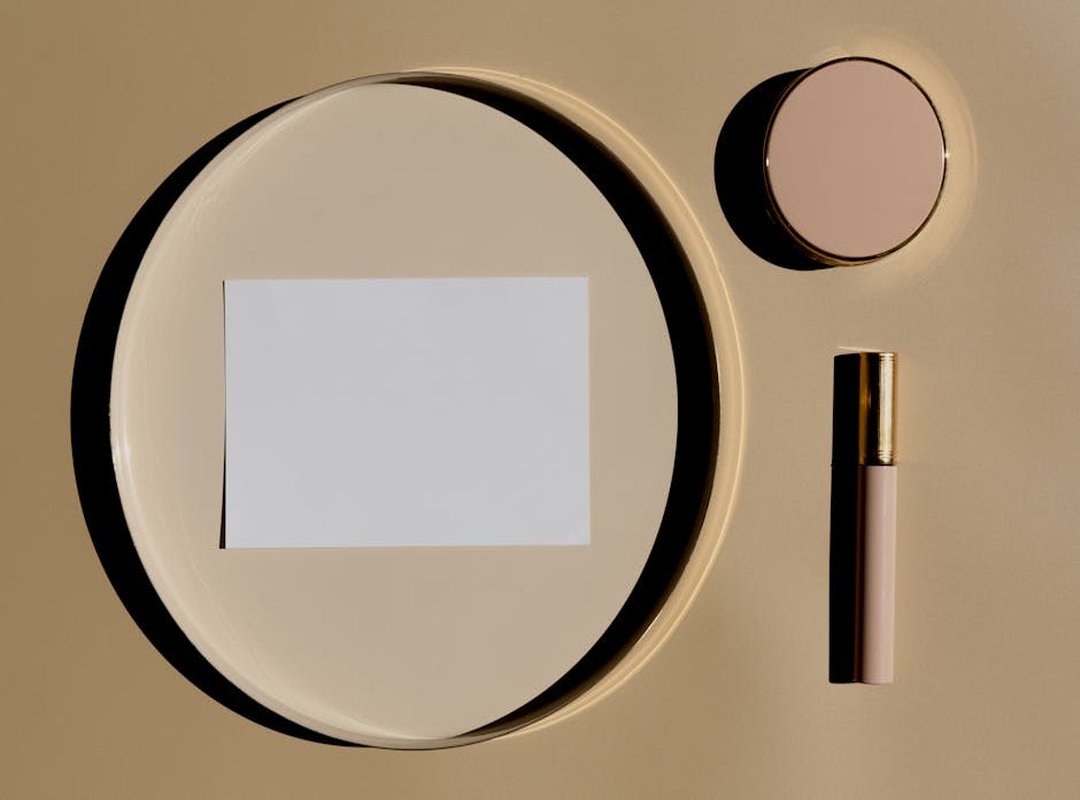
Starting with a single room, like a bedroom or living area, can build your confidence. It’s less overwhelming and lets you see the results without committing to an entire house.
First, let’s talk about the 60-30-10 rule. In a nude context, 60% of the room should be a primary light nude, like the walls. Then, 30% for a secondary mid-tone nude, such as a sofa or curtains.
Finally, 10% for a dark accent, like charcoal, black, or deep wood tones.
Texture is key in a nude palette. Try pairing a boucle armchair with a jute rug and sheer linen curtains. This creates a rich, tactile experience that feels both cozy and sophisticated.
Now, let’s compare two options. Option A: a room with all light nudes. It might look serene but can also feel flat and uninteresting.
Option B: adding a touch of black or a very dark color. This adds contrast and prevents the space from looking washed out.
Every successful nude room needs a grounding element. A little bit of black or a very dark color can make a big difference. It’s like the rachel jade nude in makeup—subtle yet impactful.
Natural materials enhance the organic, calming feel of the palette. Integrate plants, unvarnished wood bowls, or stone coasters. These elements bring a sense of nature indoors and add a touch of warmth.
By following these steps, you can create a beautiful, balanced, and inviting nude palette in your home.
Common Mistakes When Designing with Nude Colors (And How to Avoid Them)
The number one pitfall when working with nude colors is creating a space that feels lifeless or clinical. This often happens due to a lack of texture and contrast. The fix?
Aggressively layer textiles and add black accents.
Another common mistake is clashing undertones. For instance, a pink-beige wall next to a yellow-beige sofa can look jarring. To avoid this, gather physical samples of all materials and view them together in the room’s actual lighting.
Ignoring lighting is also a significant error. A beautiful greige in the store can look purple or drab at home. Paint large test patches and observe them in morning, afternoon, and evening light.
Mastering the nude palette isn’t about finding one perfect color. It’s about the artful combination of shade, texture, and contrast.