
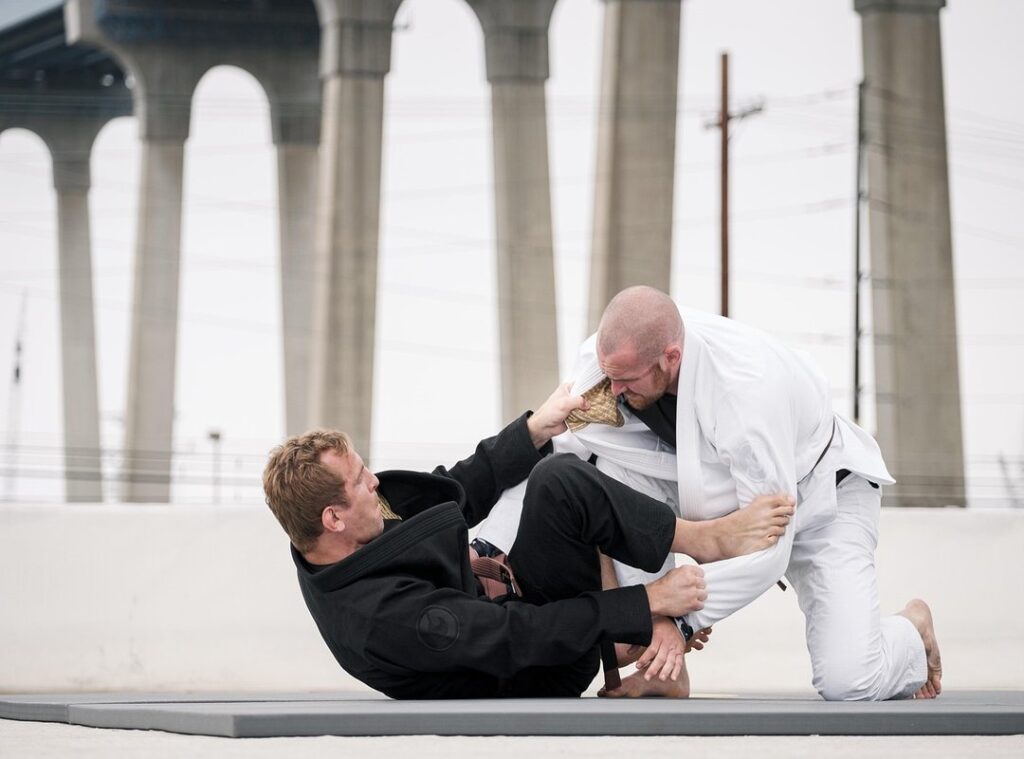
If you’re struggling to bounce back from setbacks, you’re not alone. Many athletes and competitors face challenges that can feel overwhelming. resilience conditioning methods come into play. I’ve seen firsthand how these techniques can change the game for anyone looking to improve their mental strength.
You might be wondering why resilience matters. It’s not just about physical training. It’s about building a mindset that can withstand pressure and push through obstacles.
In this article, I’ll break down practical methods to help you develop that grit. I’ve consulted experts and tested various strategies that can raise your performance.
You’ll learn how to integrate resilience into your training routine, ultimately leading to better outcomes.
By the end, you’ll have actionable takeaways that can help you transform your approach to challenges. It’s time to level up your mental game and come back stronger.
Resilience: More Than Just Bouncing Back
Resilience is more than just snapping back after a setback. It’s like a muscle you build over time through resilience conditioning methods. It’s about actively navigating challenges, not just having an unshakeable trait.
Why’s it important? Because in tough situations, resilience separates those who keep moving forward from those who crumble. It’s what keeps you steady during a storm, not just after it’s passed.
Now, let’s break it down. First, mental toughness. This is the grit that keeps you pushing when the going gets tough.
Then there’s emotional regulation. It’s staying cool when your emotions want to run wild. Adaptability is next, which means rolling with the punches and not getting stuck in one way of thinking.
Picture this: an athlete loses a key point in a game. Do they crumble? Nope.
Finally, perseverance. It’s that constant drive to keep going, even when you want to quit.
They refocus and play the next point with even more determination. That’s resilience in action.
And here’s the kicker: resilience isn’t about dodging stress. It’s about facing stress head-on and growing from it. Curious how you stack up?
Maybe it’s time to flex those resilience muscles.
Mindset Magic: Core Techniques for Mental Toughness
Resilience conditioning methods start in the mind. It’s all about shifting your perspective. Cognitive Reframing is a game-changer. Take a negative thought, like “I always fail,” and flip it to something neutral like “I’m learning.” Suddenly, things don’t seem so bleak, do they?
Now, let’s talk about self-talk. We all have that inner voice. Is yours a jerk or a cheerleader?
Positive self-talk strategies can turn that voice into your biggest fan. Avoid phrases like “I can’t” and try “I will give it a shot” instead. It builds confidence and persistence.
Visualization is another solid tool. Picture yourself succeeding or handling obstacles with grace. This isn’t just daydreaming (it’s) practice.
See the steps in your mind, feel the success, and your brain starts to believe it. Pro tip: Make it vivid and detailed.
Mindfulness and grounding exercises keep you present. When anxiety hits, try the 5-4-3-2-1 technique. Name five things you see, four you can touch, three you hear, two you smell, and one you taste.
It’s magic for regaining focus.
For more on mental toughness and strength endurance conditioning tips, check out Zumoto’s takeaways.
Actionable Drills: Resilience in Action
Let’s talk about building resilience. It’s not just a buzzword. It’s important.
You want to thrive, not just survive. So, how do we do it? We dive into actionable drills.
Start with the “Controlled Adversity” drill. Sounds intense, right? But it’s simple.
Introduce small challenges into your daily tasks. Practice with distractions. Set slightly harder goals.
You’re training your brain to handle stress. Ever tried practicing yoga with a barking dog? It’s effective.
Then there’s scenario planning. Ever thought, “What if this goes wrong?” Think ahead and plan your responses. It reduces panic.
It’s like having a mental backup plan. You’re prepared, not paranoid.
Physical challenges are next. They build mental grit too. Push through discomfort with a challenging workout.
Add a “no complaining” rule. You’ll learn to focus and stay positive. Think of it as resilience conditioning methods.
It’s about more than just muscles.
Lastly, celebrate small wins with the “Momentum Moment” exercise. Identify little victories. They matter.
They keep you moving forward. It’s easy to dismiss them, but don’t. Recognizing progress boosts self-efficacy.
It’s a game-changer.
For more on these techniques, check out resilience conditioning methods.
The Comeback Playbook: Strategies for Bouncing Back Stronger
Setbacks hit us all, no exceptions. But here’s the deal: how you handle them sets you apart.
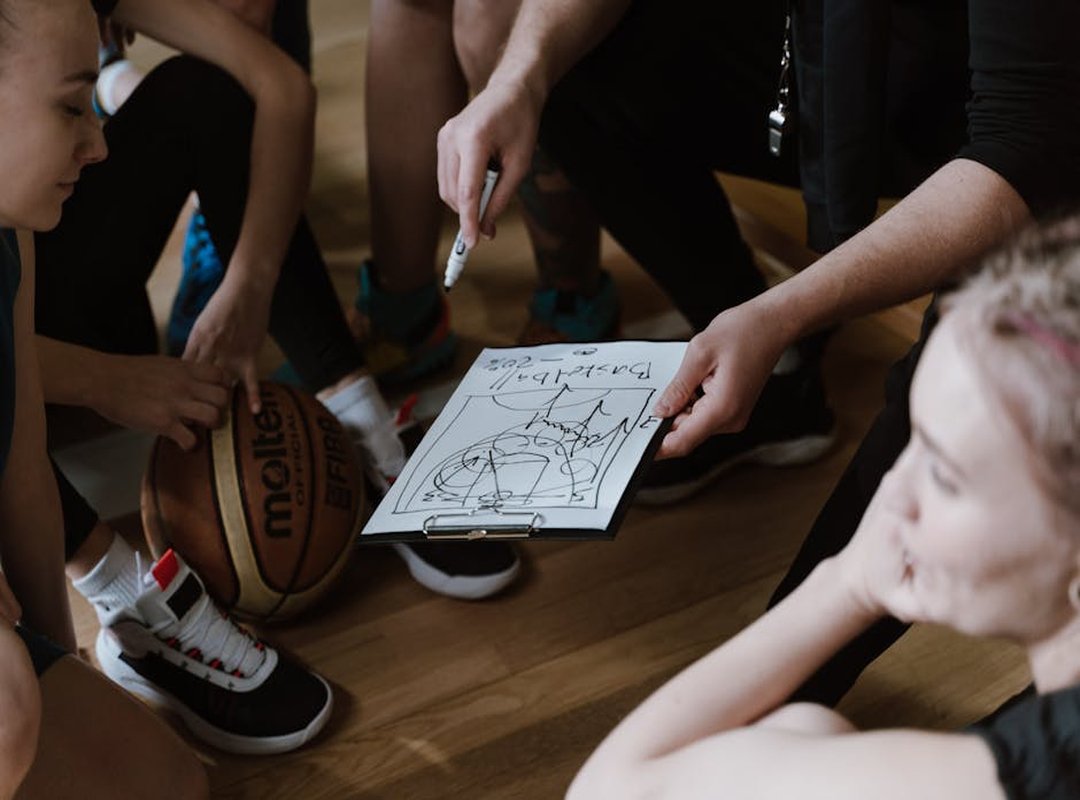
to the ‘Review and Reset’ method. It’s not about wallowing in what went wrong but rather seeing the opportunity to learn. You take a step back, really look at what’s happened, and note the lessons.
It’s like getting a pop quiz on resilience conditioning methods. Why let a setback define you when it can refine you?
Emotions can cloud judgment, can’t they? There are ways to manage that. Try a quick journal entry or a brisk walk.
Talk it out with someone who gets it. These simple moves help keep frustration in check and bring clarity.
A support system is gold. Surround yourself with people who lift you up. It’s not weakness to ask for help; it’s smart.
Think of them as your personal cheer squad.
Then there’s the ‘Next Play’ mentality. It’s about switching gears fast. Don’t dwell.
Focus on what comes next. Maybe it’s integrating cardio athletic training into your routine for a fresh start.
Whatever it takes, keep moving forward. That’s how you bounce back stronger.
Making It Stick: Resilience for the Long Haul
Resilience isn’t a sprint. It’s a marathon. Think of it as building a muscle (like those biceps you never stop hearing about). Consistency is key, and this starts with a daily resilience “check-in.” Each day, I take a moment to reflect on challenges, assess how I handled them, and figure out what I could’ve done better.
This small routine builds awareness and helps us see where we stand.
Journaling is another powerhouse. It’s not just for angsty teens. Writing down thoughts lets us track progress and see patterns.
I’ve found it helps process emotions and gives clarity on resilience conditioning methods. It’s like having a conversation with yourself. Are you being honest with what you’re writing?
Setting specific “resilience goals” is key. This week, try reframing one negative thought daily. Trust me, it’ll make a difference.
Goals provide direction and a sense of accomplishment.
And don’t go it alone. Seek feedback and mentorship. I’ve learned so much from mentors who’ve pointed out my blind spots and encouraged growth.
Finally, celebrate small victories. Seriously, pat yourself on the back for the little wins. It keeps motivation high and spirits higher.
Remember, resilience is a journey, not a destination.
Take Action for Unbreakable Resilience
You now have a solid toolkit of resilience training techniques. The struggle with setbacks and pressure can be overcome.
By applying these practical, mindset-shifting strategies, you’re not just coping; you’re building a stronger self. This isn’t just about getting through tough times; it’s about thriving.
So what’s next? Pick one technique from this guide and commit to practicing it for the next week. Start small, stay consistent, and watch your resilience soar.
Your journey to an unbreakable spirit begins now.
Don’t let setbacks define you. Embrace these resilience conditioning methods and transform the way you face challenges.
Take that first step today. Your stronger, more adaptable self is waiting.