
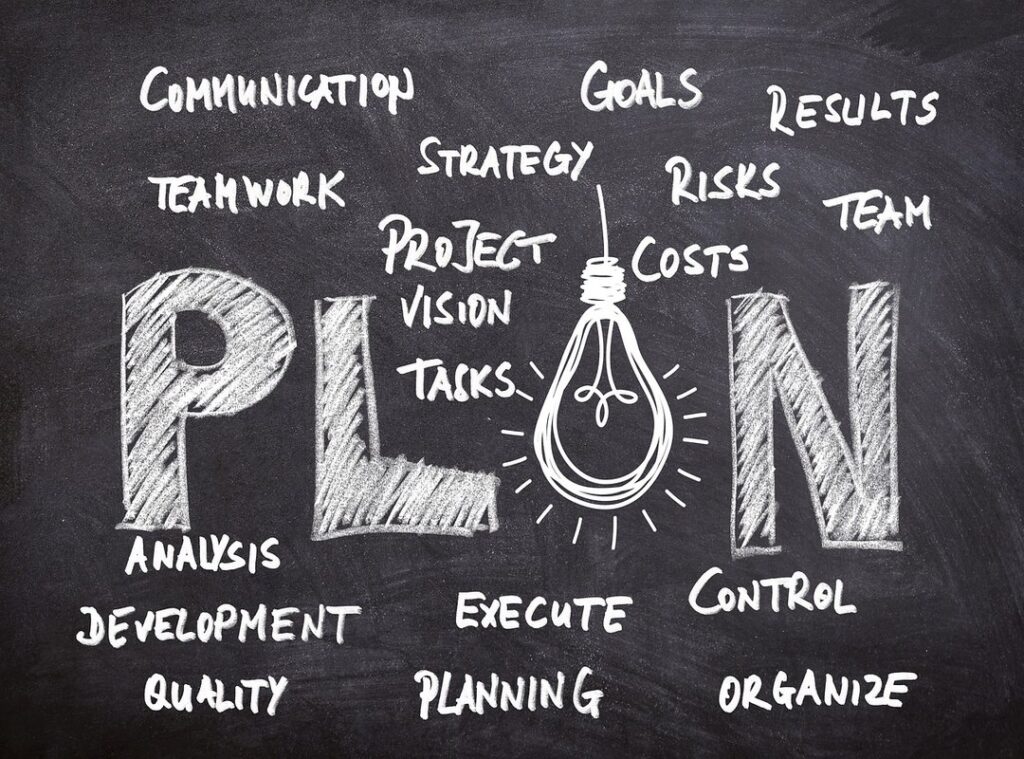
You want to win, right? Many people struggle to create successful game plans that actually lead to results. I get it.
You might feel overwhelmed by the sheer volume of strategies out there. You may wonder if you’re doing enough or if you’re even on the right track.
I’ve been there and I’ve learned that a solid plan is important.
In this article, I’ll break down what makes those game plans tick. I’ll share takeaways from experts and real-life experiences. You’ll discover how to tailor strategies that suit your unique needs.
By the end, you’ll have a clearer understanding of how to build your own effective game plan and the confidence to set up it.
Trust me, this isn’t just fluff. I’ve seen the difference a good plan makes in competitive scenarios. Let’s dive in and get you moving toward success.
The Mental Game: Building a Champion’s Mindset
Ever wonder why some players seem unshakeable? It’s all in the mental game. Tilt, frustration, burnout.
These are the enemies of successful game plans. We’ve all been there. You’re on a roll, then bam, a loss hits you like a ton of bricks.
But here’s the kicker: recognizing and leveraging those “Momentum Moments” can be the difference between a champion and a wannabe.
Deep breathing, short breaks, and positive self-talk are practical tools. They sound simple, but they work like magic. During intense sessions, these tricks keep you grounded.
Pro gamers know how to ride the wave of a positive streak. They take advantage of on it. When you’re down, it’s key to reset.
Now, let’s talk growth mindset. Every game, win or lose, is a lesson. It’s not a reflection of your skill, but an opportunity to learn.
Top players? They see losses as data points, not disasters. They maintain composure and make smart decisions under pressure.
Want to dive deeper into building winning plan playbooks? Check out the resources available. Remember, the mental game is a journey, not a destination.
Stay sharp, stay focused, and keep learning.
Physical Edge: Boost Your Gaming Skills
Ever notice how pros in esports seem to have lightning-fast reflexes? It’s not just talent. It’s about physical well-being.
I’ve seen it firsthand. When you take care of your body, your gaming performance skyrockets. Reaction time, endurance, mental clarity (they’re) all tied to how you treat your body.
Let’s talk about those “athletic conditioning strategies” for gamers. Ergonomics matter. Set up your gaming space so it supports you, not strains you.
Your chair shouldn’t be a medieval torture device. Oh, and hand stretches? They’re not just for pianists.
They keep your fingers nimble and ready for action.
Nutrition’s another biggie. You can’t run a marathon on junk food, right? Same goes for gaming marathons.
Fuel your brain with good stuff. Hydration is key too. Water over energy drinks.
Trust me, your brain and body will thank you.
And sleep. Don’t skimp on it. Sleep affects reaction times and decision-making.
The difference between a win and a loss? Sometimes it’s just a good night’s sleep. Pro tip: keep your sleep schedule consistent.
Your brain will get sharper.
But don’t just sit there. Move! Short, regular breaks combat the dreaded “gamer posture.” Get up, stretch, do a quick walk.
It keeps your body (and mind) fresh.
Incorporate these habits and you’ll craft your own successful game plans. Physical health isn’t just for athletes. It’s your secret weapon in gaming.
Ready to level up?
Mastering Mechanics: Deliberate Practice & Drills
Ever tried to get better at a game by just playing it endlessly? I did. Spoiler: it doesn’t work. Deliberate practice is the way to go.
It’s all about focused, intentional skill improvement. Unlike casual play, it’s structured. You target specific skills.
Think aim training routines or movement drills. They’re not just random actions. They’re calculated steps.
And breaking down complex skills? Game-changer. You take something overwhelming, like map navigation, and tackle it in smaller chunks.
Suddenly, it’s manageable.
Set clear goals. Not just any goals. Measurable ones.
Want to hit 80% accuracy? Aim for it. Track your progress.
It keeps you motivated. It’s like having your own scoreboard. Trust me, consistency and quality matter more than just racking up hours.
I stumbled upon this overview about successful game plans. It’s a goldmine for plan. It’s not just about playing the game.
Shorter, focused sessions beat long, aimless ones. Every time.
It’s about playing it smart. So, next time you sit down to practice, remember: deliberate beats casual. Every.
Single. Time.
Strategic Play: The Game Within the Game
You’ve got to look beyond just pressing buttons. Shift your focus from individual mechanics to higher-level strategic thinking. It’s all about developing that hard to find “game sense”.
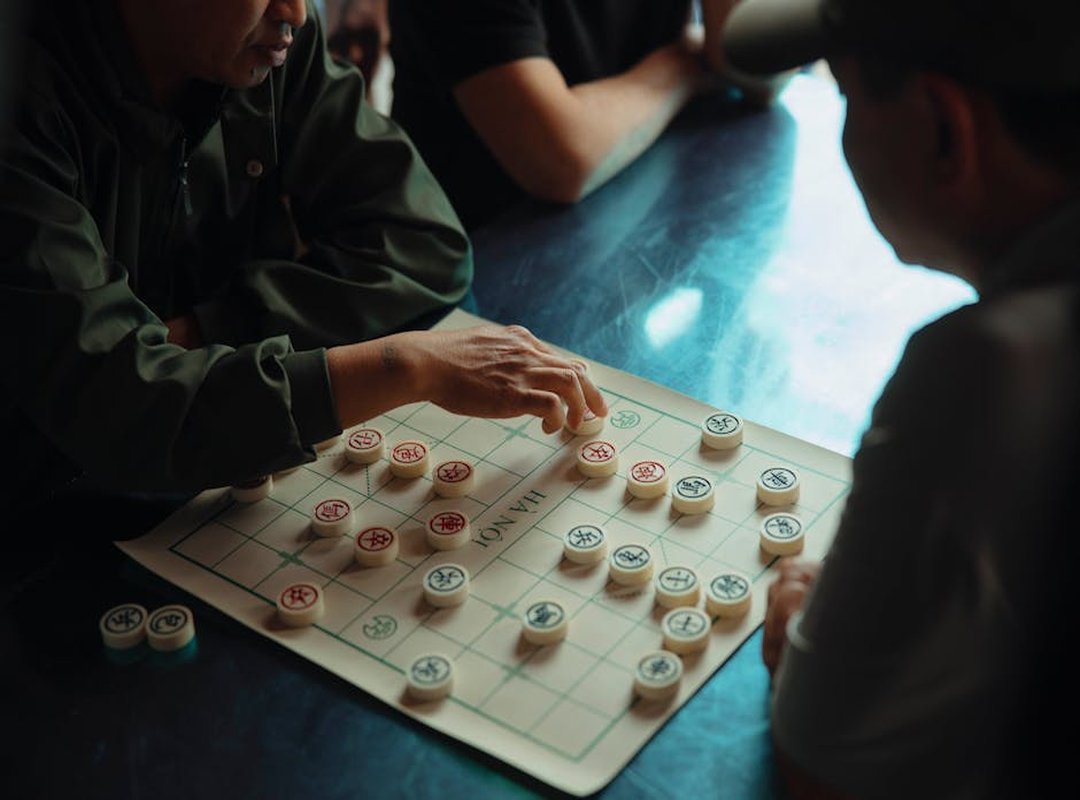
The ability to read the game like a book. Does this sound abstract? Sure.
But it’s what separates casuals from true competitors. Successful game plans hinge on this.
Think about “sports tournament tactics.” In gaming, it means understanding objectives, controlling key areas, and timing your actions just right. Imagine you’re in a heist movie. Timing and teamwork are everything.
You can’t just rush in guns blazing (unless chaos is your thing).
Developing game sense means anticipating what your opponent might do next. It’s like a chess match. You need to understand risk versus reward and make informed decisions.
Ever watched a pro player’s stream? They know when to go all in and when to fold. Study them.
Watch their VODs. Learn to see the game from their eyes.
Pro tip: Communication in team games can be chaotic. Keep it simple. Use callouts, assign roles, and be ready to adapt strategies on the fly.
It’s like being in a band where everyone has to play their part in harmony. Are you the drummer or the lead guitarist?
In the end, it’s about elevating your play with these strategies. Next time you fire up your favorite game, think broader. Play smarter.
You’ll start noticing the difference in how you (and your team) perform. Now, isn’t that what gaming is all about?
The Feedback Loop: Analyze, Adapt, Evolve
Let’s talk about something most players miss: post-game analysis. It’s not just about hopping into the next match. You need to dig into those replays or VODs.
Why did you make that mistake? What were you thinking? It’s all about understanding the “why” behind your errors.
Then you can pinpoint where you need to improve.
Pro tip: create a personal “game playbook.” It’s simple. Just jot down your successful game plans, note effective strategies, and set clear goals. This isn’t just busywork.
It’s a roadmap for your growth.
Oh, and don’t forget about game updates and meta shifts. Adapting to these changes is key. When a new opponent comes along, view it as a chance to evolve your playstyle.
Learning never stops. So embrace it. Every challenge is an opportunity.
Want to take your strategies further? Check out this guide for more takeaways.
Raise Your Game Now
You’ve got the tools for successful game plans. No more feeling stuck or frustrated. By combining mental strength, physical health, and strategic depth, you’re ready to step up your game.
Start implementing these strategies today. You’ll see real improvement in your performance. Don’t wait.
Get going now!