
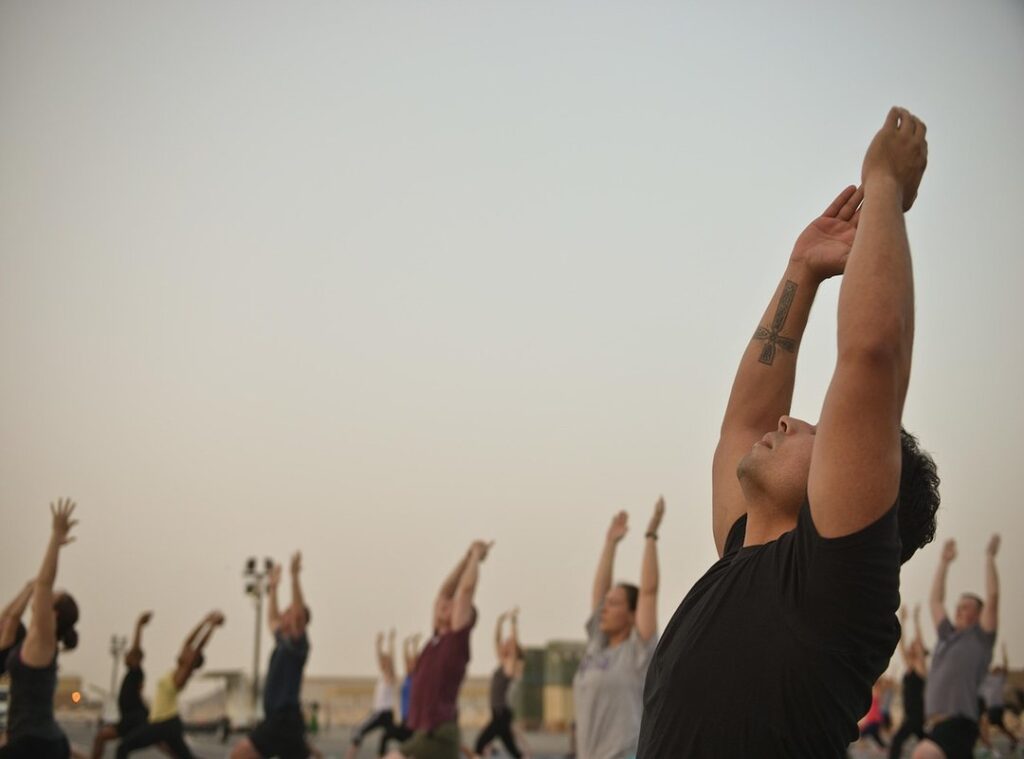
Most athletes think physical skills are enough to win. They forget about the mental game. That’s where I see the struggle.
Pressure, distractions, and mental blocks can ruin the best performance.
Too many overlook this aspect. This leads to inconsistent results and unrealized potential. It’s frustrating, right?
In this article, I’ll break down athlete mindfulness techniques that actually work. I’ve spent years honing practical strategies for competitive environments, so I get it. You can trust that these takeaways come from real-world application, not just theory.
We’ll define mindfulness for athletes, explore its solid benefits, and dive into actionable strategies you can use immediately.
If you want to achieve consistent peak performance, this guide is for you. Let’s tackle your mental game and open up your true potential.
Mindfulness in Sports: Not Just Meditation
Mindfulness isn’t just sitting cross-legged, humming “om.” It’s about paying attention to the present moment without judgment. In sports, it means staying alert and focused, whether you’re in training or mid-competition. It’s about noticing the tension in your muscles, the feel of the ball, or the rhythm of your breath.
Athlete mindfulness techniques go beyond typical meditation. They’re about being aware of your physical sensations and your surroundings. When you’re in a game, it’s about focusing on the court, the opponents, and your internal dialogue about performance.
It’s like a batter watching the ball or a swimmer feeling the water’s resistance.
Now, some folks might argue that mindfulness is just a fancy term for concentration. But it’s more subtle. It’s about observing without a running commentary in your head.
This non-judgmental stance helps athletes perform better under pressure.
And let’s not forget the mental resilience it builds. Embracing setbacks as learning opportunities is key. Speaking of which, check out Embrace Defeat Stepping Stone.
It’s all part of the process.
So why not give it a try? Next time you’re out there, focus on the here and now. See what happens when you let go of judgment.
The Game-Changing Benefits: Athletes and Mindfulness
Mindfulness isn’t just a buzzword (it’s) a game-changer for athletes. Focusing your mind is like fine-tuning an instrument. Think about it: when athletes zero in, distractions fade away.
I’ve seen it work wonders. Blocking out crowd noise and past mistakes? Yes, please.
Stress and anxiety, the changing duo that knocks anyone off their game. But mindfulness? It calms the storm.
Athletes can focus on their performance, not their worries.
Before and during high-pressure moments, the nervous system gets a breather. It’s like having a coach in your head whispering, “You got this.” Emotional regulation kicks in, keeping panic at bay.
Decision-making under pressure. Hard, but possible. Mindfulness makes athletes better at processing the chaos around them.
Quicker, more accurate decisions? That’s the beauty of staying present. The court or field demands split-second choices, and mindfulness trains you for just that.
Handling emotions is key in sports. Keeping frustration, anger, and excitement in check prevents meltdowns that ruin the game. (Seen it happen too often.) Mindfulness lets athletes surf these emotional waves instead of drowning in them.
And let’s not forget recovery. A calm mind equals a resilient body. Less mental stress aids recovery and boosts body awareness, preventing injuries.
Check out these 20 mindfulness exercises for athletes for practical techniques.
Mindfulness is not extra. It’s important. “Athlete mindfulness techniques” truly transform performance.
Mastering Mindfulness: Techniques for Athletes
Mindfulness isn’t just for yoga mats or meditation retreats. It’s a game-changer for athletes. So, how do you incorporate athlete mindfulness techniques into your routine?
It’s simple. Inhale for four seconds, hold for four, exhale for four. This isn’t just for pre-game jitters.
First up, mindful breathing techniques. Think of it like a mental reset button. Ever tried tactical breathing?
Use it mid-game or whenever stress rears its ugly head.
Next, body scan awareness. It’s about checking in with your body, not just your mind. During warm-ups or timeouts, take a moment to feel where tension hides.
Is that shoulder tight? Are your legs fatigued? Knowing this can change how you approach the game.
Now, let’s talk sensory focus. The ‘5-4-3-2-1’ technique isn’t just for grounding. Adapt it to your field.
Spot five things around you. Hear four sounds. Feel three sensations.
Smell two scents. Taste one thing. It’s like tuning in to your environment on a whole new level.
Mindful visualization is another powerhouse tool. Picture your perfect performance. Imagine overcoming obstacles.
Feel every moment with full sensory awareness. It’s like rehearsing the game in your mind before it even starts.
Finally, mindful movement. During drills or stretching, focus on the sensation of movement itself. Feel the ground under your feet, the air as you move.
It’s not just about the outcome but the journey of each motion.
These techniques aren’t just fluff. They’re practical, solid tools. Mindfulness can sharpen your focus, calm your nerves, and boost your performance.
Try them today. See how they transform your game.
Integrating Mindfulness: Raise Your Game
As an athlete, keeping focus isn’t just about physical prowess. It’s about mastering the mind. But how do you make mindfulness a mainstay in your training routine?
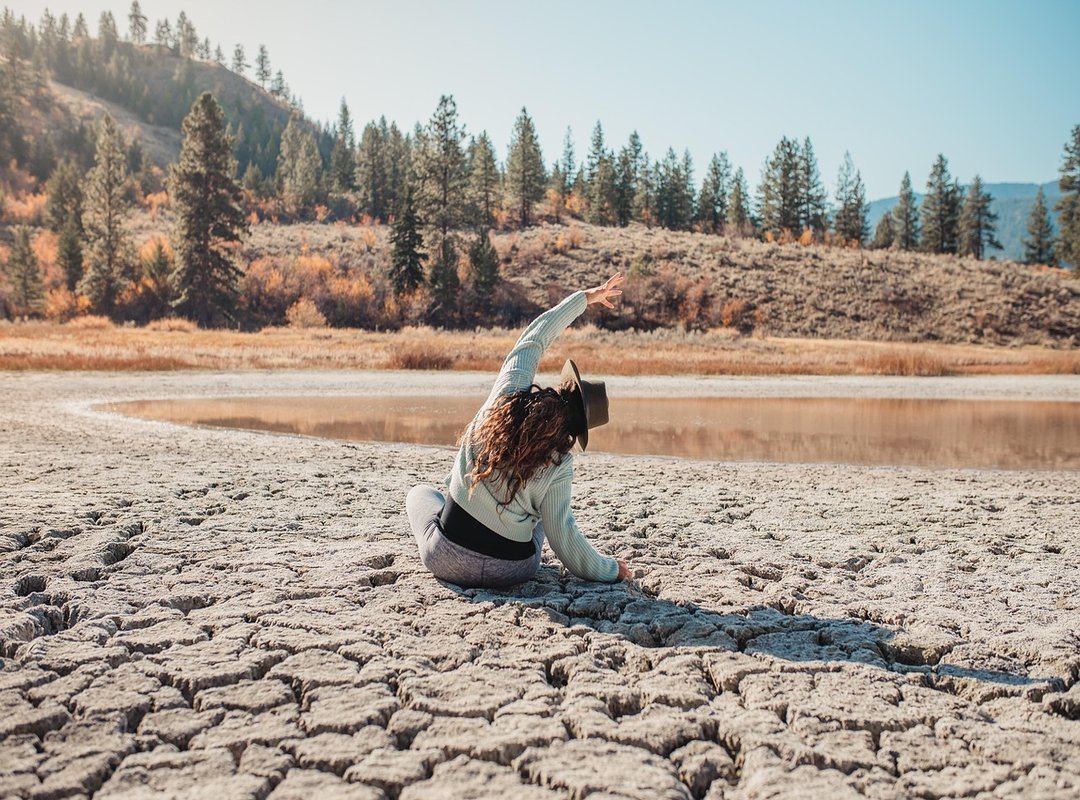
Let’s break it down.
Pre-game rituals are a game-changer. Spend two minutes just breathing. Let your mind do a quick body scan.
These small actions help you get ‘in the zone’.
During training, zero in. Mindfulness isn’t just a buzzword. Focus on each rep or movement.
Feel the quality of each drill. It’s like tuning a guitar. Get the strings right, and the music follows.
After you’ve given it your all, reflection time. Review performance without the self-judgment cloud. Look at what went right, and where the learning opportunities lie.
Don’t dwell (grow.)
What about daily habits? Building a ‘mindfulness muscle’ takes consistent exercise. A short daily practice, like five minutes of mindful breathing or a stroll, can do wonders.
Regularity is key here. This is athlete mindfulness techniques in its simplest form.
Mindfulness is like any physical skill. It improves with practice. Miss a day?
No biggie. Just get back on track. It’s a skillset, not a checkbox.
Pro tip: Treat mindfulness like your physical warm-ups. Important, not optional. Do these things, and watch how your performance elevates.
Everything counts when you’re looking to be your best.
Mindfulness for Athletes: Beating the Mental Game
Mindfulness is a game-changer for athletes. But it’s not all sunshine and rainbows. Our minds wander.
Suddenly, you’re thinking about dinner mid-practice. (Been there?) The “notice and return” plan is gold here. Just gently guide your focus back without beating yourself up.
And those pesky self-judgments? Think of them like clouds. Just let them float by.
Consistency is your secret weapon. Small efforts add up big time. Patience isn’t just a virtue; it’s important. For more on mastering the mind, dive into the power of sports psychology.
Keep at it; progress is progress.
Raise Your Game with Mindfulness
You’ve got the tools to tackle mental blocks and pressure. Athlete mindfulness techniques are solid, accessible, and backed by science. It’s time to ditch inconsistent performance. By adopting just a couple of these strategies, you can build focus and emotional control.
Why wait? Pick one or two techniques from this guide and commit to practicing them this week. Start with mindful breathing or a quick body scan before your next training session.
Take that first step now. You’re ready to open up your full potential and raise your mental game. Go for it.