

Art can be a powerful way to express and understand emotions, especially when you’re dealing with something as complex as depression. I’ve seen firsthand how creating and interpreting lukisan depression can provide a unique outlet for those feelings. It’s not just about making pretty pictures; it’s about channeling your inner turmoil into something tangible.
Many people struggle to find a creative way to deal with their emotions. This is where lukisan depression comes in. It’s a form of art that specifically aims to capture the essence of depression, giving you a way to externalize what you’re going through.
I’m here to guide you through the process, from understanding what lukisan depression is to actually creating your own pieces. You don’t need to be a professional artist to do this. Just a willingness to explore and express yourself.
This article will give you clear definitions, step-by-step instructions, and practical examples. By the end, you’ll have a better grasp of how to use this art form to reflect and understand your feelings. Let’s dive in.
What Is Lukisan Depression?
Lukisan depression is a unique art form that captures the essence of emotional turmoil, particularly feelings of sadness and despair. It’s not just about creating pretty pictures; it’s a way for artists to express and process their inner struggles.
Drawing lukisan depression often involves dark, moody colors and abstract or symbolic imagery. This style can be deeply personal, reflecting the artist’s own experiences with depression.
The term “lukisan” comes from the Indonesian word for painting, and this art form has roots in Southeast Asian cultures. It gained recognition as a powerful medium for emotional expression, resonating with people who have faced similar mental health challenges.
In the art world, lukisan depression holds significant value. It provides a visual language for emotions that are often hard to put into words. For many, it’s a therapeutic outlet, helping them to cope and find solace in their creative process.
This art form isn’t just about the artist; it also speaks to viewers. It can evoke empathy and understanding, making it a bridge between those who create and those who experience the art.
Understanding the Elements of Lukisan Depression
Visual Elements: In lukisan depression art, you often see muted colors, jagged lines, and rough textures. These elements are crucial in conveying the emotional depth of the artwork.
Symbolism: The muted colors symbolize a sense of sadness or despair. Jagged lines can represent turmoil and inner conflict. Rough textures add a tactile, almost tangible feel to the emotional weight of the piece.
How do these symbols work together? They create a cohesive and powerful message about the artist’s emotional state.
Mood and Tone: The combination of these visual elements creates a somber and reflective mood. It’s like the artwork is whispering its story, inviting you to feel the weight of the artist’s emotions.
When you look at a drawing lukisan depression, pay attention to how the colors, lines, and textures interact. Notice how they make you feel. This is key to understanding the artwork’s impact.
Recommendations:
– Choose artworks that resonate with you. If a piece makes you pause and think, it’s doing its job.
– Look for consistency in the use of elements. A well-executed lukisan depression piece will have a clear and consistent use of color, line, and texture.
– Reflect on your own emotions.
Art is a mirror. What does the artwork say about your own feelings and experiences?
By focusing on these elements, you can gain a deeper appreciation for lukisan depression and the stories it tells.
How to Create Your Own Lukisan Depression Art
Creating lukisan depression art is a deeply personal and therapeutic process. Let’s dive into what you need and how to get started.
Materials Needed
- Canvas or heavy paper
- Acrylic or oil paints
- Brushes of various sizes
- Palette
- Water container
- Rags or paper towels
- Pencil and eraser
Step-by-Step Guide
Start by setting up your workspace, and lay out your canvas, paints, and brushes.
Choose a color palette that reflects the emotions you want to convey. Darker, muted tones often work well for this style.
Sketch a rough outline of your composition with a pencil. Don’t worry about perfection; the idea is to capture the essence of your feelings.
Begin painting. Use broad, expressive strokes to fill in the main areas. Layer colors to add depth and texture.
Add details and highlights. This is where you can really bring your emotions to life. Think about the textures and contrasts that best represent your state of mind.
Take breaks if you need to. Sometimes stepping away and coming back with fresh eyes can make a big difference.
Personal Touch
Incorporate elements that are meaningful to you. Maybe it’s a symbol, a specific color, or a particular shape.
Write down a few key words or phrases that describe your current emotional state. Use these as inspiration for your artwork.
Remember, drawing lukisan depression is about expressing your inner world. There’s no right or wrong way to do it. The more you put of yourself into the piece, the more powerful it will be.
What’s Next
After you finish your piece, take some time to reflect on the experience. How did it feel, and what did you learn about yourself?
Consider sharing your artwork with others. Sometimes, seeing your emotions on canvas can help others understand and connect with you.
If you find the process helpful, make it a regular practice. Each piece can be a new chapter in your emotional journey.
Happy creating!
Interpreting Lukisan Depression Art
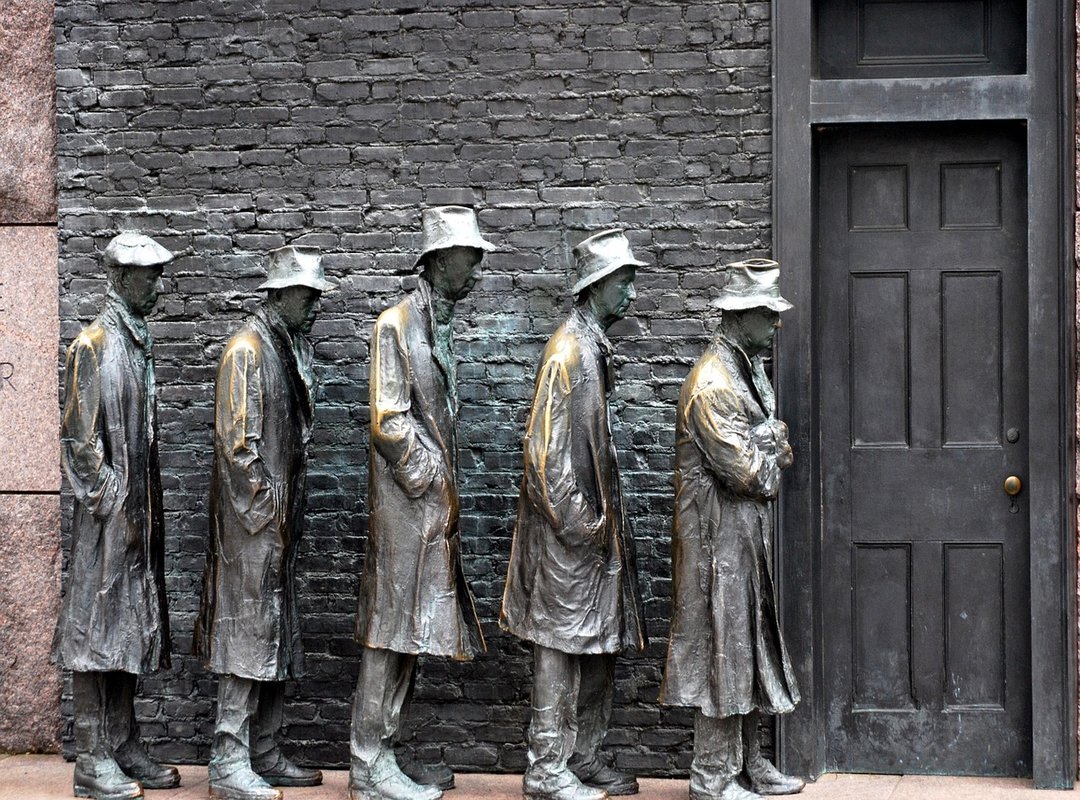
When you look at a piece of lukisan depression art, it’s like stepping into the artist’s mind. Start by examining the colors. Dark, muted tones often signify sadness or despair. drawing lukisan depression
Next, focus on the composition, and is the artwork cluttered or sparse? Clutter can represent chaos and confusion, while sparsity might convey emptiness or isolation.
Look at the lines and shapes. Jagged, erratic lines can symbolize turmoil, while smooth, flowing lines might suggest a sense of resignation or calm.
Symbols are key. A broken mirror, for example, could represent shattered self-image. A wilted flower might symbolize lost hope.
Now, let’s talk about the emotional connection, and how does the artwork make you feel? Does it evoke memories or stir up emotions?
Allow yourself to be vulnerable and open to the experience.
Reflect on your own life, and have you felt similar emotions? Connecting with the art on a personal level can deepen your understanding and appreciation.
To discern the artist’s intent, consider the context. What was happening in the artist’s life when they created this piece? Sometimes, a little research can provide valuable insights.
Think about the title. It often holds clues to the deeper meaning. For instance, a painting titled “Silent Scream” might explore the theme of internalized pain.
Finally, trust your instincts. If something in the artwork resonates with you, it’s likely intentional. Your personal interpretation is just as valid as any expert’s analysis.
By following these steps, you can gain a richer, more meaningful understanding of drawing lukisan depression art.
Examples of Lukisan Depression Art
Lukisan depression, or depression art, is a form of expression that captures the raw and often somber emotions of the human experience. It’s not just about feeling sad; it’s about translating those feelings into something tangible.
Let’s talk about some notable artists who have made a mark in this genre. One of them is Vincent van Gogh. His work, “The Starry Night,” while not explicitly labeled as lukisan depression, conveys a deep sense of melancholy and introspection.
Another artist, Edvard Munch, with his iconic “The Scream,” captures the overwhelming anxiety and despair that many can relate to.
Now, let’s dive into some case studies. “The Scream” by Munch uses swirling, chaotic lines and vivid colors to convey a sense of existential dread. The figure in the painting, with its mouth wide open, seems to be screaming in agony.
This piece is a powerful example of how visual elements can evoke strong emotional responses.
Drawing lukisan depression can be a therapeutic process. It allows you to express your innermost feelings and find a way to cope with them. Maybe you start with a simple sketch, adding layers of color and texture to reflect your mood.
For inspiration, think about what moves you. Is it a particular memory, a song, or a personal struggle? Use these as the foundation for your artwork.
You don’t need to be a professional artist to create meaningful pieces. Just let your emotions guide your hand.
Creating lukisan depression art is a deeply personal journey. It’s about finding a way to express what words sometimes can’t. So, grab a pencil, a brush, or whatever medium you prefer, and start exploring.
FAQs About Lukisan Depression Art
Lukisan depression art is a unique and powerful form of expression. It often reflects deep emotional states and personal struggles.
What’s the history behind it? This style emerged as a way for artists to channel their feelings into something tangible. It’s not just about sadness; it’s about the human experience.
How do you create it? Drawing lukisan depression involves using dark, moody colors and abstract forms. The key is to let your emotions guide your hand.
What techniques are used? Artists often use heavy brushstrokes and layering to convey depth and intensity. Some also incorporate mixed media like charcoal or pastels.
Does it have an emotional impact, and absolutely. Viewers often feel a strong connection to the raw and honest emotions depicted.
It can be both cathartic and thought-provoking.
Practical Tips for Beginners: Start by exploring your own emotions. Don’t worry about perfection. Focus on what you’re feeling and let that drive your work.
For Advanced Artists: Experiment with different materials and techniques. Push the boundaries of what you think is possible. Sometimes, the most impactful art comes from taking risks.
Remember, the goal is to express yourself authentically. Whether you’re a beginner or an advanced artist, your unique perspective is what makes your art special.
Embracing Art as a Tool for Emotional Expression
Drawing lukisan depression captures the essence of emotional turmoil and provides a visual narrative of the struggles faced by those with depression. This form of art is not just about creating images; it’s a profound way to express and understand the depths of one’s feelings. By engaging with this art, individuals can find a unique outlet for their emotions.
It serves as a bridge, connecting the artist and the viewer through shared experiences and empathy. Creating and interpreting such art can be a powerful tool for emotional healing and self-expression. Explore and engage with lukisan depression art to connect more deeply with your own emotions and those of others.