
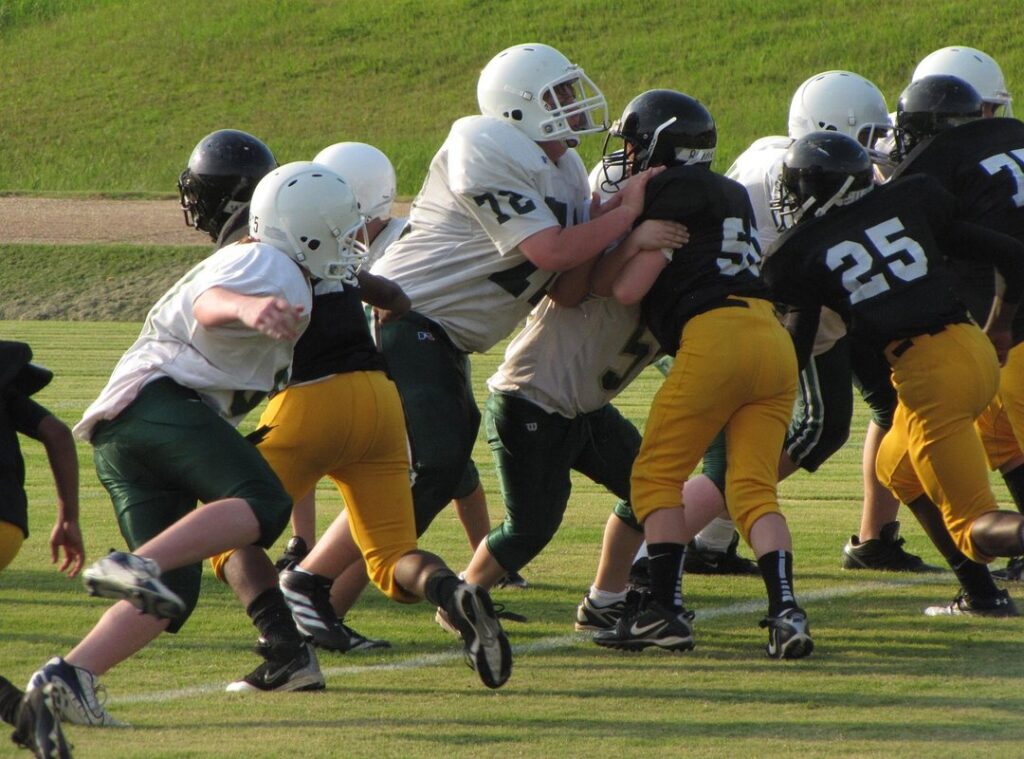
Many players struggle with team passing drills. They feel awkward or unsure. I get it; I’ve been there too.
You want to move the ball effectively, but sometimes it feels like you’re just running in circles. The right drills can change that.
In this article, I’ll share some effective passing drills that really work. They focus on teamwork and communication, which are key for success on the field.
You might wonder if these drills will actually make a difference. Trust me, they will. I’ve seen players go from hesitant to confident in just a few practices.
Whether you’re a coach looking to boost your team’s skills or a player wanting to improve your game, you’ll find something useful here. By the end, you’ll understand how to set up these drills and why they matter.
Get ready to raise your game and build a more cohesive team.
Team Coordination Exercises: The Secret Sauce
What are these so-called “team coordination exercises”? They’re like fun activities designed to help a group work together like a well-oiled machine. Think of them as a boot camp for your team’s brain, focusing on getting everyone in sync.
The real goal here? It’s all about improving communication, building shared understanding, aligning actions, and solving problems together. Sounds straightforward, right?
But trust me, they pack a punch!
Now, don’t confuse these with your typical “team building” events. Those are often about bonding (and sometimes awkward icebreakers). Team coordination exercises aim for measurable improvements in how a group works together.
You see the difference? It’s not just for sports teams either. Office project teams, volunteer groups, even your local book club can benefit from getting in sync.
Ever tried team passing drills? Those can work wonders for coordination.
The benefits? Immediate. Fewer mistakes, quicker reactions, stronger team spirit, and more fast task completion.
You want those, don’t you? Oh, and if you’re looking to drills boost agility, you know where to head.
Why Bother? The Real Perks of a Truly Coordinated Team
Ever wonder why some teams just click? It’s like a rock band nailing a riff or a kitchen staff during a busy dinner service. That’s the magic of coordination.
Let me tell you, when a team is truly in sync, the perks are game-changing.
First off, faster problem-solving. Teams that work together can pool ideas faster than you can say “team passing drills.” It’s like having a playbook right in your head. Decisions happen on the fly.
And what about communication? Smarter and clearer. No more guesswork, just direct, effective talks.
You don’t waste time on endless debates or second-guessing.
We all know how misunderstandings can tank a project. But when everyone’s on the same wavelength, it’s smooth sailing.
Then there’s the impact on trust and morale. When you’re in sync, you feel supported. Think about it.
Teams that trust each other are happier (and who doesn’t want a happy team?).
Sharper decision-making is another perk. Information processes faster, choices are spot-on, and everyone moves forward together.
Finally, increased productivity. Less effort wasted means goals get smashed quicker.
So why bother? A coordinated team isn’t just fast (it’s) unstoppable.
Your Blueprint for Coordination Success
Choosing the right exercises for team passing drills isn’t rocket science, but it does require some thought. First, consider your team’s size and the specific goals you aim to achieve (communication,) trust, or problem-solving. Got a tight schedule?
Factor in available time and resources.
Clear Instructions & Objectives are a must. Before diving in, everyone needs to understand the ‘what’ and ‘why’. Without this, you’re just herding cats. Active participation is non-negotiable. Everyone should jump in, even if it means stepping out of their comfort zone.
Facilitation plays a huge role. A good leader guides the process, keeping things moving and ensuring everyone stays engaged. The ‘Secret Sauce’?
Debriefing. Seriously, don’t skip it. Discuss what worked, what didn’t, and how to apply these lessons in real-world tasks.
Want to keep drills changing? Mix it up. Vary activities to maintain interest and actively seek feedback from participants.
And here’s a pro tip: start with simpler exercises. Gradually increase complexity as coordination improves. If you’re keen on Boosting Team Coordination, this approach will set you on the right path.
Get Your Team Clicking: Communication & Trust
Building a team that clicks starts with communication and trust. Without these, you’re just a group of individuals. to exercises that lay this foundation.

Exercise 1: Blindfolded Obstacle Course
This one is all about improving verbal communication and active listening. Set up a simple obstacle course with chairs and cones. Pair up the team.
One person wears a blindfold and navigates the course using only their partner’s verbal guidance.
Afterward, we talk. How clear were the instructions? Did you feel the trust?
This exercise shows what makes communication effective or a complete mess.
Exercise 2: Minefield
Next up, the Minefield. Scatter objects around an area. One person is blindfolded, the other isn’t.
The goal? Guide your blindfolded buddy across without touching any ‘mines’. Only verbal commands allowed.
Discussing after? It’s key. You’ll see how concise language and active listening play out in real time.
It’s like this in-depth look at soccer passing drills that shows how precision and understanding make a difference.
Why do we do these exercises? Because they work. They transform a bunch of people into a cohesive team.
When you can trust and communicate, everything else (like) team passing drills (falls) into place. That’s the magic formula. Let’s get your team clicking.
Get the Team Moving: Problem-Solving in Action
to exercises that boost collaborative problem-solving and synchronized action. First up, Exercise 3: Human Knot. This isn’t just about tangling up like a pretzel.
It’s about improving non-verbal communication and adaptability (two underrated skills if you ask me). Here’s how it works: get 6-12 people in a circle. Right hand grabs a hand across the circle.
Left hand grabs a different hand. Now, untangle without letting go.
Pro tip: Watch who steps up as a leader. You’ll see it happen naturally. Afterward, talk about how they communicated without words and adapted strategies when they hit a snag.
Next, Exercise 4: The Tower Challenge. This one’s a real test of planning and execution. Divide into small teams.
Give them limited materials. Spaghetti sticks, marshmallows, tape, string. The goal is simple: build the tallest freestanding structure in a set time.
During debrief, discuss the planning process. Notice how roles emerged and how they handled pressure. What challenges did they face?
What would they change with more time or materials? These exercises aren’t just fun. They lay the groundwork for team passing drills and other collaborative activities.
Raise Your Team’s Coordination Today
You now have a solid toolkit to boost your team’s coordination. Remember, without deliberate effort, even the best teams can stumble.
These strategies work because they boost communication, build trust, and improve problem-solving skills.
So why wait? Pick one exercise from this guide and try it with your team this week. You’ll see the immediate positive impact.
Imagine the difference if team passing drills become a regular part of your routine.
Coordination doesn’t have to be a chore. Make it a fun part of your team’s rhythm.
Let’s open up your team’s full potential. Take action now. Your team deserves it.